
Personalized Treatment Plans: Tailoring Care to You


Over half of American adults are now turning to personalized healthcare solutions instead of sticking with standard treatments. This shift reflects growing awareness that each person’s genetics, lifestyle, and environment make a real difference in their health outcomes. By understanding what sets individualized care apart, you can discover how tailored treatment plans offer safer, more effective results that meet your unique needs.
Table of Contents
Key Takeaways
Point | Details |
Personalized Treatment Plans | Healthcare is shifting to individualized strategies that consider genetics, lifestyle, and medical history for more effective treatments. |
Telehealth Integration | Virtual consultations enhance treatment planning by allowing real-time data collection and increasing patient accessibility. |
Holistic Approach | Focus on interconnected domains like weight management, sexual health, and longevity promotes comprehensive wellness strategies. |
Safety Protocols | Adhering to strict safety and regulatory guidelines ensures patient safety while delivering innovative personalized medical treatments. |
Defining Personalized Treatment Plans in Healthcare
Healthcare is transforming from a traditional one-size-fits-all approach to a more nuanced, individualized strategy. Personalized health care represents a proactive approach that crafts unique treatment strategies tailored specifically to an individual’s genetic makeup, lifestyle, and medical history.
At its core, personalized treatment planning moves beyond generic medical interventions by leveraging advanced predictive technologies and comprehensive patient data. Precision medicine explores an individual’s genes, environmental factors, and personal health characteristics to design targeted therapies that maximize effectiveness and minimize potential side effects.
Key features of personalized treatment plans typically include:
Comprehensive genetic screening
Detailed lifestyle assessment
Advanced risk prediction models
Customized intervention strategies
Continuous monitoring and adaptive treatment approaches
These personalized strategies empower patients by providing more accurate, responsive healthcare solutions that recognize each person’s unique biological and environmental context. By understanding individual variations, healthcare providers can develop more precise interventions that improve treatment outcomes and patient experiences.
Types of Personalized Approaches by Condition
Personalized medicine represents a revolutionary approach to healthcare, recognizing that each medical condition requires unique diagnostic and treatment strategies. Advanced patient clustering models now enable healthcare providers to develop targeted interventions that match specific patient characteristics more precisely than traditional treatment methods.
Condition-specific personalization involves tailoring medical approaches based on intricate individual variations across different health domains. This approach is particularly powerful in complex medical scenarios like cancer treatment, metabolic disorders, cardiovascular diseases, and genetic conditions where standard protocols often produce inconsistent results.
Key personalized approaches include:
Genetic Profiling: Analyzing individual genetic markers to predict disease risk and treatment response
Metabolic Mapping: Understanding unique metabolic pathways and individual biochemical variations
Immunological Screening: Evaluating individual immune system characteristics
Environmental Factor Assessment: Considering lifestyle, environmental exposures, and personal health history
These sophisticated strategies transform medical treatment from a generalized model to a precision-driven methodology. By recognizing that no two patients are identical, healthcare professionals can now design interventions that are as unique as the individuals receiving them, significantly improving potential treatment outcomes and patient experiences.
How Virtual Consultations Shape Planning
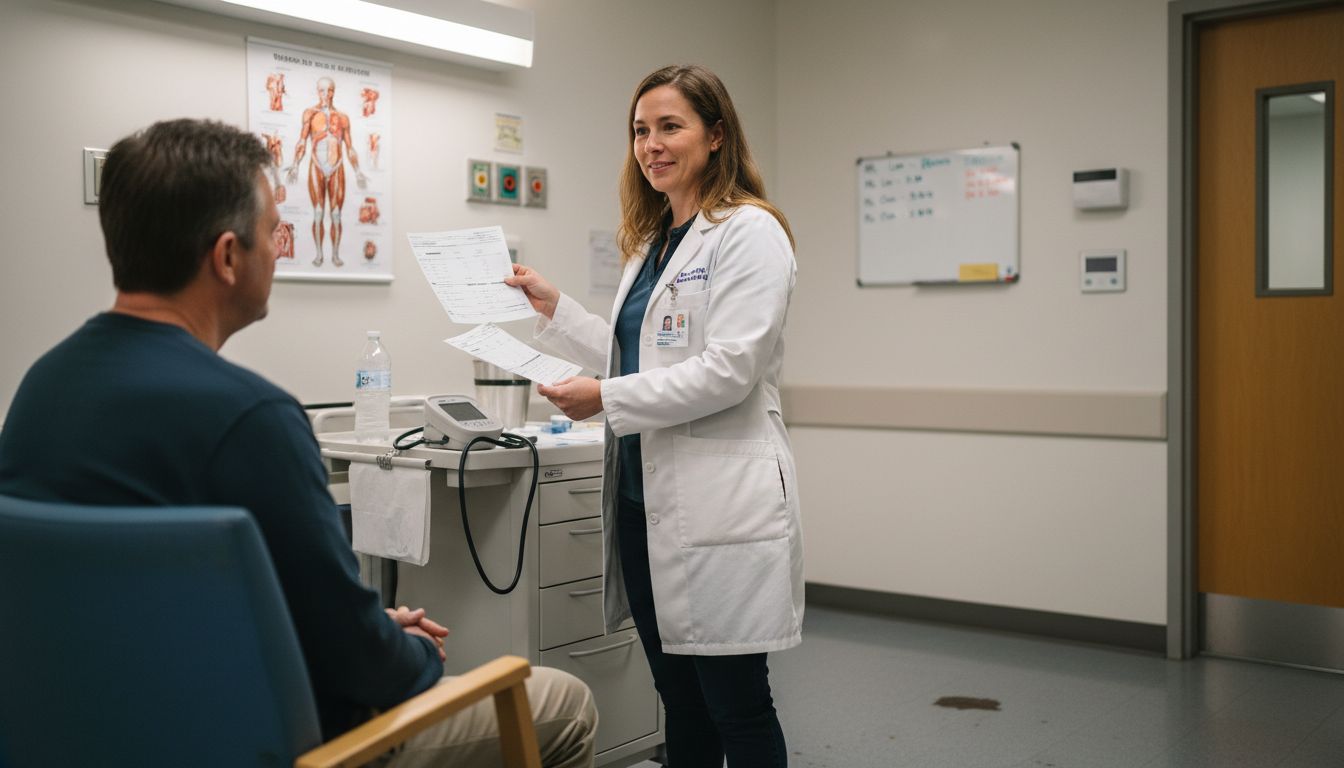
Virtual consultations have revolutionized healthcare delivery by providing unprecedented flexibility and personalization in treatment planning. Personalized healthcare integration now enables clinicians to tailor care plans more precisely by leveraging digital platforms that capture comprehensive patient data and streamline communication.
Telehealth consultations fundamentally transform how medical professionals develop individualized treatment strategies. These virtual interactions allow healthcare providers to conduct in-depth assessments, review medical histories, and design targeted interventions without traditional geographic or scheduling constraints. Patients can now receive specialized care from the comfort of their homes, ensuring continuous monitoring and more responsive healthcare experiences.
Key advantages of virtual consultation-driven planning include:
Real-time medical data collection
Enhanced patient accessibility
Reduced geographic barriers
More frequent and convenient follow-ups
Comprehensive digital health tracking
Immediate adjustment of treatment protocols
Telemedicine weight loss strategies exemplify how digital platforms can create highly personalized health interventions. By combining advanced technology with professional medical expertise, virtual consultations are reshaping healthcare delivery into a more adaptive, patient-centered model that prioritizes individual needs and precise medical interventions.
Key Therapies: Weight, Sexual Health, Longevity
Personalized health planning revolutionizes medical approaches by targeting three critical domains: weight management, sexual health, and longevity. These interconnected areas represent comprehensive strategies that go beyond traditional medical treatments, focusing on holistic individual wellness and preventative care.
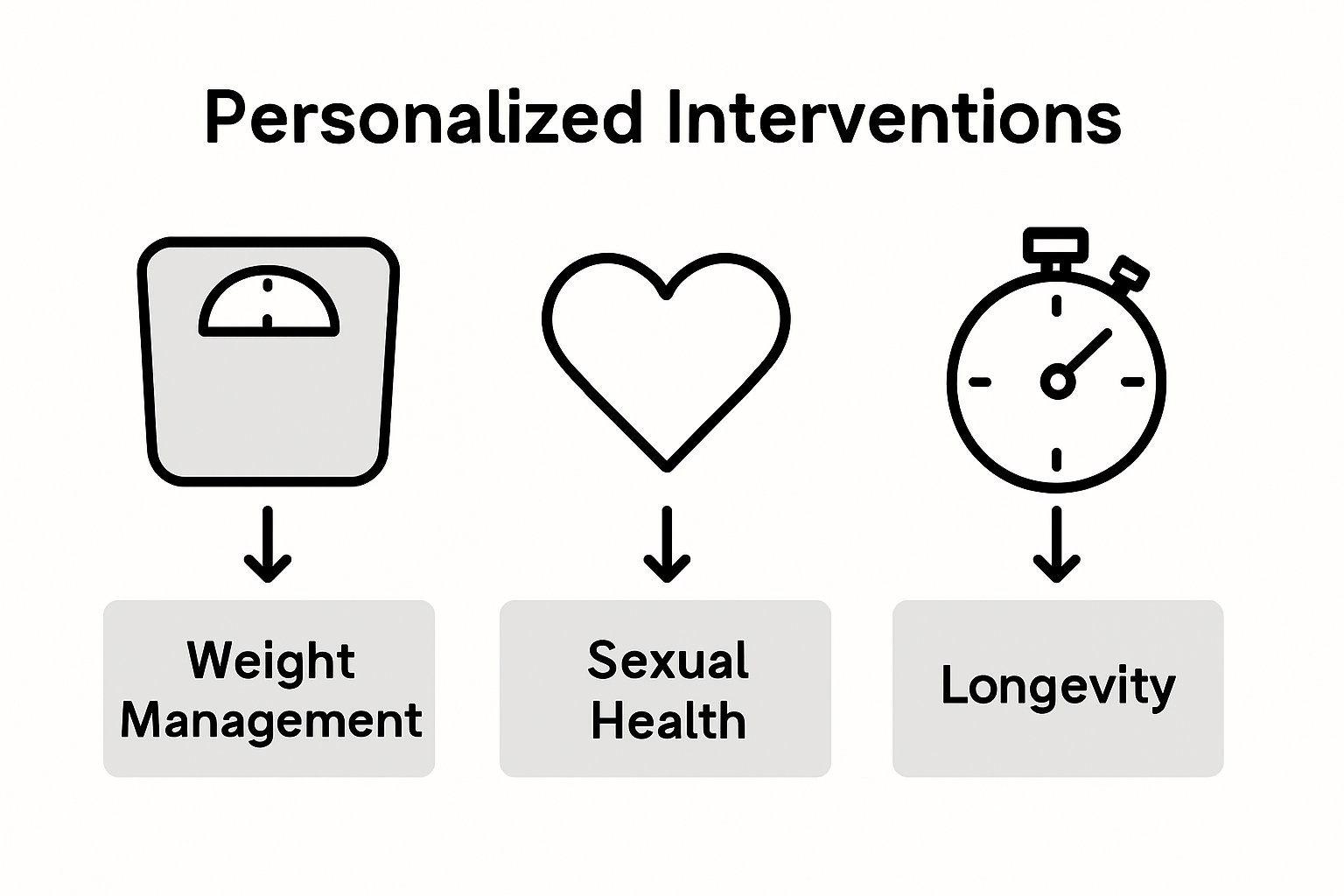
Precision medicine transforms healthcare by customizing interventions based on individual genetic, environmental, and lifestyle factors. Targeted prevention strategies enable healthcare providers to develop nuanced treatment plans that address unique physiological characteristics, potentially improving outcomes across weight loss, sexual health, and aging-related concerns.
Key therapeutic approaches encompass:
Weight Management: Personalized nutrition and metabolic optimization
Sexual Health: Hormone balancing and targeted performance interventions
Longevity: Cellular regeneration and metabolic enhancement strategies
Longevity therapy techniques demonstrate how modern medical approaches can integrate multiple wellness dimensions. By recognizing the intricate connections between weight, sexual function, and aging processes, healthcare providers can now design comprehensive treatment plans that address root causes and promote sustained health optimization.
Safety Protocols and Prescription Regulations
Advanced treatment decision methods demonstrate the critical importance of rigorous safety protocols in personalized medical care. Healthcare providers must navigate complex regulatory landscapes to ensure patient safety while delivering targeted, individualized treatment approaches that balance innovative medical strategies with established medical standards.
Dynamic treatment protocols represent a sophisticated approach to medical care, utilizing advanced analytical techniques to continuously assess and adjust patient interventions. Optimal treatment regime estimation allows medical professionals to make sequential decisions based on comprehensive patient characteristics, creating a responsive and adaptive healthcare model that prioritizes individual safety and therapeutic effectiveness.
Key safety and regulatory considerations include:
Comprehensive patient medical history review
Genetic screening and risk assessment
Continuous monitoring of treatment responses
Regular therapeutic intervention adjustments
Strict adherence to federal and state prescription guidelines
Transparent communication about potential treatment risks
These robust safety frameworks ensure that personalized medical treatments maintain the highest standards of patient protection. By integrating advanced scientific methodologies with stringent regulatory oversight, healthcare providers can deliver innovative therapies while minimizing potential risks and maximizing individual patient outcomes.
Common Pitfalls and How to Maximize Results
Advanced patient clustering models reveal that successful personalized treatment requires more than just innovative medical approaches. Patients often encounter challenges that can undermine their treatment effectiveness, making it crucial to understand and proactively address potential obstacles in their healthcare journey.
Treatment optimization demands a strategic approach that goes beyond initial intervention. Continuous learning and adaptation are critical for maximizing treatment outcomes, allowing healthcare providers to refine approaches based on individual patient responses and emerging medical insights.
Common pitfalls to avoid include:
Inconsistent treatment adherence
Inadequate lifestyle support
Failing to communicate complete medical history
Unrealistic expectations about treatment outcomes
Neglecting complementary health strategies
Irregular follow-up and monitoring
To maximize results, patients must view personalized treatment as a dynamic, collaborative process. Successful outcomes require active participation, open communication with healthcare providers, and a commitment to holistic health strategies that extend beyond medical interventions alone.
Discover Personalized Treatment Solutions That Work For You
The article highlights the challenge of navigating generalized healthcare approaches that often miss the mark on individual needs. If you are seeking a truly tailored treatment plan based on your unique genetic makeup, lifestyle, and health goals, Guppy Meds offers a seamless telemedicine experience designed to meet these exact needs. Whether your focus is on weight management with advanced Weight Loss GLP-1’s | Guppy Meds, optimizing sexual health through customized therapies, or exploring longevity treatments, you deserve care that adapts to you.

Start your personalized health journey today with licensed providers who evaluate your complete health profile and prescribe medications safely and conveniently delivered to your door. See how easy it is to get individualized attention without traditional barriers. Visit https://guppymeds.com to explore all therapies available in All Products | Guppy Meds and specialized options for Sexual Health | Guppy Meds. Take control and experience healthcare that truly puts you first.
Frequently Asked Questions
What is personalized treatment planning in healthcare?
Personalized treatment planning in healthcare refers to a tailored approach that considers an individual’s genetic makeup, lifestyle, and medical history to create unique treatment strategies rather than using a one-size-fits-all method.
How does virtual consultation enhance personalized treatment plans?
Virtual consultations enhance personalized treatment plans by allowing healthcare providers to conduct thorough assessments and communicate effectively, leading to more precise interventions and continuous monitoring without traditional barriers such as location and scheduling.
What are key components of personalized treatment plans?
Key components of personalized treatment plans include comprehensive genetic screening, detailed lifestyle assessments, advanced risk prediction models, customized intervention strategies, and ongoing monitoring to adapt treatments as needed.
What are some common pitfalls in personalized treatment, and how can they be avoided?
Common pitfalls include inconsistent treatment adherence, inadequate lifestyle support, and unrealistic expectations. To avoid these, patients should actively participate in their care, maintain open communication with providers, and remain committed to holistic health strategies.
Recommended
Quick Allergy-Safe Meals: A Step-by-Step Guide for 2025 - Probe IT
Hair and Skin Care: Expert Tips for Stronger Growth 2025 | MyHair


Comments