
Understanding the Weekly Injection Protocol for Peptide Therapy

Peptide therapy has gained attention for its potential to support health, improve recovery, and enhance overall wellness. One common approach in peptide therapy involves weekly injections, which many find convenient and effective. This post explores the weekly injection protocol for peptide therapy, explaining how it works, what to expect, and practical tips for those considering or currently using this treatment.
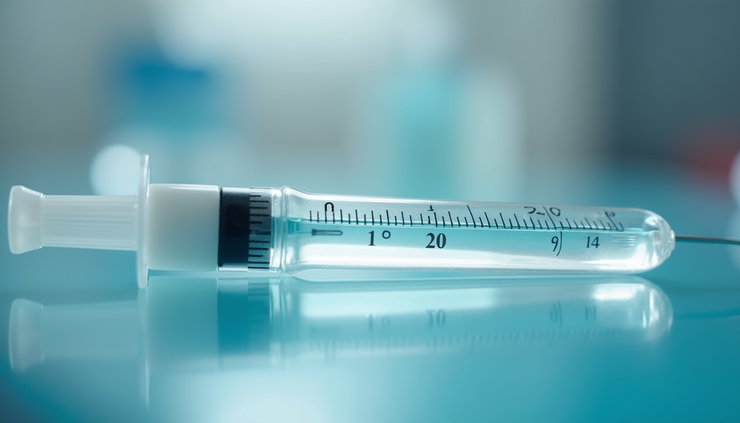
What Is Peptide Therapy?
Peptides are short chains of amino acids that act as signaling molecules in the body. They influence various biological functions, such as hormone regulation, immune response, and tissue repair. Peptide therapy uses synthetic peptides to target specific health goals, including:
Enhancing muscle growth and recovery
Supporting weight management
Improving skin health
Boosting immune function
Promoting better sleep and cognitive function
The therapy involves administering peptides through injections, topical creams, or oral supplements. Among these, injections provide the most direct and effective delivery.
Why Choose a Weekly Injection Protocol?
Peptides vary in their half-life and how quickly the body processes them. A weekly injection protocol balances effectiveness with convenience. Here are some reasons why weekly injections are preferred:
Consistent peptide levels: Weekly dosing maintains stable peptide concentrations in the bloodstream, supporting ongoing biological effects.
Ease of scheduling: Once-a-week injections fit easily into busy lifestyles without daily hassle.
Reduced side effects: Spreading doses weekly can minimize potential side effects compared to more frequent injections.
Improved compliance: Patients are more likely to stick to a weekly routine than daily or multiple times per week.
This protocol suits peptides with longer half-lives or those designed for sustained release.
Common Peptides Used in Weekly Injection Protocols
Several peptides are commonly administered on a weekly basis. Some examples include:
BPC-157: Known for its tissue repair and anti-inflammatory properties, often used to support injury recovery.
CJC-1295 with DAC: A growth hormone-releasing hormone analog that promotes growth hormone secretion over an extended period.
Ipamorelin: A growth hormone secretagogue that stimulates natural growth hormone release with fewer side effects.
Thymosin Alpha-1: Supports immune function and is sometimes given weekly for immune modulation.
Each peptide has unique dosing requirements, but weekly injections are a common approach for these types.
How the Weekly Injection Protocol Works
The weekly injection protocol typically follows these steps:
Initial Assessment: A healthcare provider evaluates your health status and goals to select the appropriate peptide and dosage.
Preparation: Peptides usually come as lyophilized powder requiring reconstitution with bacteriostatic water before injection.
Injection: The peptide is injected subcutaneously (under the skin) or intramuscularly, depending on the peptide and protocol.
Monitoring: Regular follow-ups assess effectiveness, side effects, and adjust dosage if needed.
Continuation: Weekly injections continue for a set period, often 8 to 12 weeks, depending on treatment goals.
Patients often learn to self-administer injections at home after proper training.
Tips for Safe and Effective Weekly Peptide Injections
To get the most from your weekly peptide therapy, consider these practical tips:
Use sterile technique: Always wash hands and use new needles and syringes for each injection to avoid infection.
Rotate injection sites: Common sites include the abdomen, thigh, or upper arm. Rotating sites prevents tissue irritation.
Store peptides properly: Most peptides require refrigeration and protection from light to maintain potency.
Follow dosing instructions: Stick to the prescribed dose and schedule to ensure consistent results.
Track your progress: Keep a journal of how you feel, any side effects, and improvements to share with your provider.
These steps help maximize benefits and reduce risks.

Potential Benefits of Weekly Peptide Therapy
Based on clinical experience and emerging research, weekly peptide injections may offer benefits such as:
Improved recovery from injuries: Peptides like BPC-157 promote faster healing of muscles, tendons, and ligaments.
Increased muscle mass and strength: Growth hormone secretagogues support lean muscle growth and fat loss.
Enhanced immune response: Thymosin Alpha-1 can help regulate immune function, potentially reducing infection risk.
Better sleep quality: Some peptides influence sleep patterns, leading to more restful nights.
Anti-aging effects: Peptides may improve skin elasticity, reduce wrinkles, and support overall vitality.
While individual results vary, many users report noticeable improvements within weeks.
What to Expect During Treatment
Starting weekly peptide injections involves some adjustment. Here’s what typically happens:
Initial mild side effects: Some experience redness, swelling, or mild discomfort at injection sites. These usually resolve quickly.
Gradual improvements: Benefits often appear after several weeks as peptides accumulate in the system.
Regular check-ins: Your provider may order blood tests or other assessments to monitor hormone levels and health markers.
Possible dose adjustments: Based on response and side effects, doses may be increased or decreased.
Open communication with your healthcare provider ensures safe and effective treatment.
Who Should Consider Weekly Peptide Therapy?
Weekly peptide injections suit people who want targeted health support with minimal disruption. This includes:
Athletes recovering from injuries or seeking performance support
Individuals aiming to improve body composition and metabolism
People with immune challenges looking for immune modulation
Those interested in anti-aging and skin health benefits
Patients under medical supervision for hormone-related conditions
Always consult a qualified healthcare professional before starting peptide therapy to ensure it fits your health needs.
Safety and Precautions
Peptide therapy is generally safe when supervised by a healthcare provider. Still, consider these precautions:
Avoid unregulated sources: Use peptides from reputable suppliers to ensure purity and quality.
Watch for allergic reactions: Though rare, some may experience allergic responses. Seek medical help if symptoms occur.
Inform your provider about medications: Peptides can interact with other treatments.
Not suitable for everyone: Pregnant or breastfeeding women, and people with certain medical conditions should avoid peptide therapy unless advised by a doctor.
Safety depends on proper use and professional guidance.


Comments