
Tailored Treatment Plans: Transforming Modern Care

Updated: Apr 22

Nearly 60 percent of American adults want a healthcare solution that fits their fast-paced lives without sacrificing privacy. Juggling work, family, and personal goals leaves little time for in-person visits or generic advice that misses the mark. Tailored treatment plans delivered through telemedicine give busy Americans access to weight management and sexual health solutions that respect individual needs. Discover how advanced, personalized care can offer true convenience and peace of mind.
Table of Contents
Key Takeaways
Point | Details |
Personalized Medicine Transforms Healthcare | Moving away from traditional models, tailored treatment plans utilize individual data for more effective medical interventions. |
Collaborative Patient Care | Modern healthcare emphasizes patient autonomy, integrating individual goals and lifestyles into treatment plans. |
Telemedicine Enhances Personalization | With advanced technology, telemedicine allows continuous monitoring and customization of care from patients’ homes. |
Informed Consent is Crucial | Patients must actively participate in the consent process to ensure they fully understand their treatment options and associated risks. |
What Tailored Treatment Plans Mean in Healthcare
Personalized medicine represents a groundbreaking shift in healthcare delivery, moving decisively away from traditional “one-size-fits-all” treatment approaches. Personalized treatment strategies now leverage advanced molecular diagnostics and individual patient data to create precise, targeted medical interventions that optimize health outcomes.
At its core, a tailored treatment plan recognizes that every patient’s physiological landscape is unique. By analyzing genomic, proteomic, and clinical information, healthcare providers can design interventions that account for individual genetic variations, potential drug interactions, metabolic differences, and specific disease risk factors. This approach transforms medical care from a generalized model to a highly specific, patient-centric strategy that dramatically improves treatment effectiveness and minimizes potential adverse reactions.
Implementing tailored treatment plans requires sophisticated medical technologies and a comprehensive understanding of individual patient profiles. Systematic healthcare interventions must consider multiple determinants, including genetic markers, lifestyle factors, environmental influences, and personal medical history. The goal is not just treating symptoms, but developing proactive, precision-driven healthcare solutions that address root causes and prevent potential future health complications.
Pro tip: When exploring personalized treatment options, request a comprehensive genetic screening and maintain a detailed, updated medical history to support your healthcare provider in designing the most effective tailored treatment approach.
Types and Examples of Personalized Care Approaches
Personalized healthcare encompasses a diverse range of innovative approaches designed to transform traditional medical treatment models. Person-centered care fundamentally reimagines patient interactions by placing individual autonomy, preferences, and holistic well-being at the center of medical decision-making. This approach recognizes that effective treatment extends far beyond clinical interventions, incorporating patients’ social contexts, cultural backgrounds, and personal health goals.
Modern personalized care strategies include several key approaches. Genetic profiling allows physicians to develop targeted treatments based on an individual’s unique genetic makeup, predicting potential health risks and designing preventive interventions. Lifestyle-integrated care focuses on comprehensive health management that considers environmental factors, dietary habits, stress levels, and personal wellness objectives. Precision medicine represents another cutting-edge approach, utilizing advanced diagnostic technologies to create highly specific treatment protocols that minimize adverse reactions and maximize therapeutic effectiveness.

Proactive health frameworks are transforming patient-provider relationships from traditional hierarchical models to collaborative partnerships. These innovative strategies involve continuous health monitoring, predictive risk assessments, and co-created wellness plans that empower patients to actively participate in their healthcare journeys. By integrating comprehensive assessments that analyze genetic predispositions, lifestyle factors, and individual preferences, healthcare providers can develop nuanced, dynamic treatment strategies that adapt to changing patient needs.
Here’s a summary comparing major types of personalized care approaches mentioned above:
Approach | Main Focus | Key Benefit | Example Application |
Genetic Profiling | DNA and biomarkers | Predicts disease risk | Cancer risk assessment |
Lifestyle-Integrated | Habits and environment | Prevents chronic issues | Nutrition and stress coaching |
Precision Medicine | Targeted treatments | Minimizes side effects | Custom drug prescriptions |
Proactive Health | Ongoing monitoring | Enables early intervention | Wearable health trackers |
Pro tip: Request a comprehensive health consultation that explores your genetic profile, lifestyle factors, and personal health history to develop a truly personalized and proactive healthcare strategy.
How Telemedicine Delivers Individualized Treatments
Telemedicine has revolutionized healthcare delivery by creating unprecedented opportunities for personalized medical care. Digital communication technologies enable healthcare providers to design highly customized treatment approaches that transcend traditional geographical and accessibility limitations. This innovative approach allows patients to receive specialized medical attention from the comfort of their homes, breaking down barriers that historically prevented comprehensive, individualized healthcare.
The core strength of telemedicine in delivering personalized treatments lies in its advanced data collection and monitoring capabilities. Bluetooth-enabled medical devices and comprehensive digital health platforms allow continuous tracking of patient vital signs, medication responses, and health metrics. These real-time data streams enable healthcare providers to make rapid, precise adjustments to treatment plans, ensuring that interventions are dynamically tailored to each patient’s unique physiological responses and evolving health conditions.
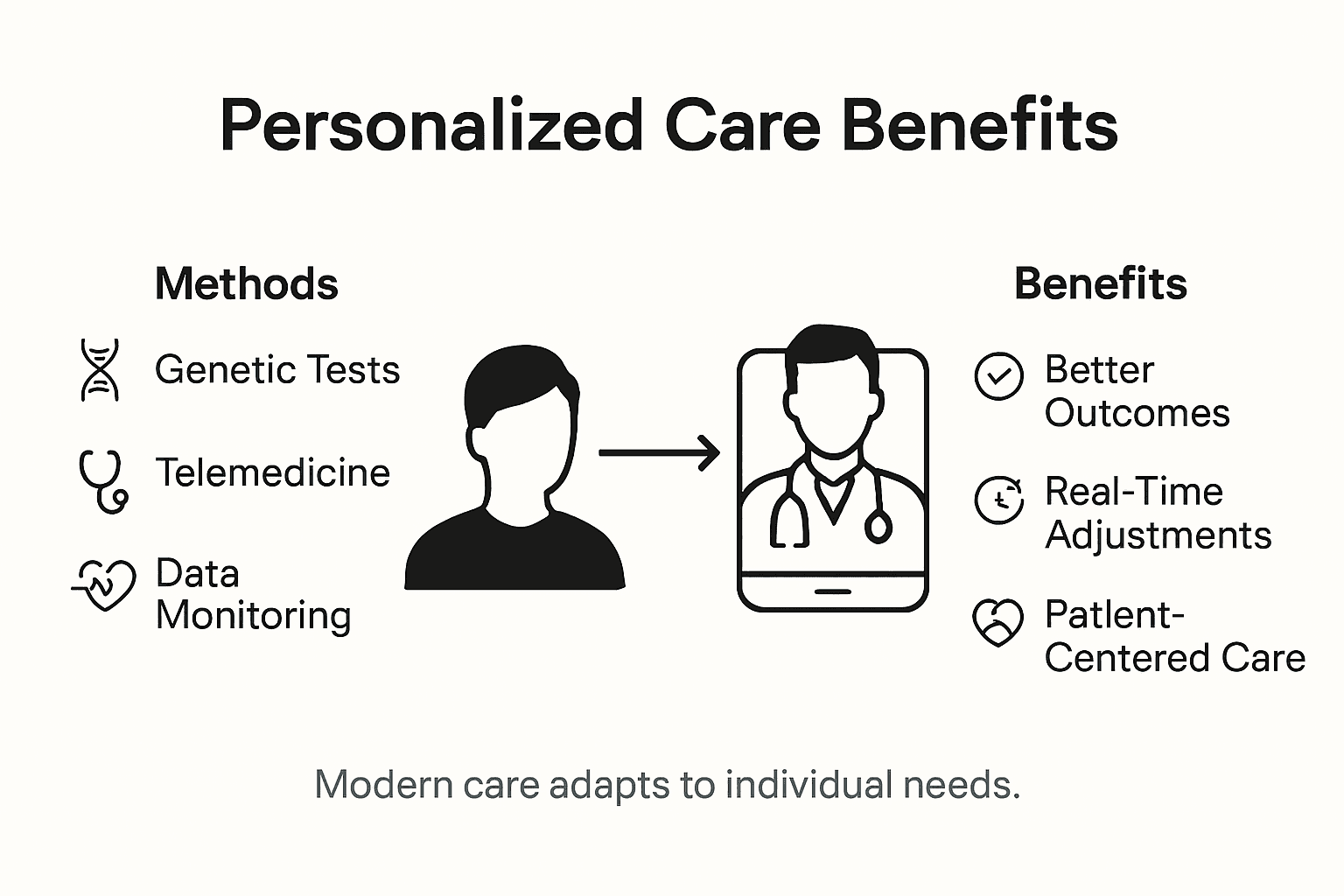
Telemedicine platforms are particularly powerful in managing chronic conditions and complex health scenarios that require nuanced, ongoing care. By facilitating frequent virtual consultations, remote diagnostic assessments, and seamless medical record integration, these digital healthcare solutions create a holistic environment where patients receive consistently personalized medical attention. The approach minimizes disruptions to patients’ daily lives while maintaining a high standard of medical oversight, effectively transforming how individualized healthcare is conceptualized and delivered.
Pro tip: Prepare a comprehensive digital health folder with your medical history, current medications, and recent diagnostic results to maximize the effectiveness of your telemedicine consultations.
Patient Responsibilities and Consent Processes
Informed consent represents a critical cornerstone of modern medical practice, establishing a transparent and ethical framework for patient care. Patient decision-making rights require comprehensive communication between healthcare providers and patients, ensuring individuals fully understand their medical treatments, potential risks, and available alternatives. This process goes beyond simple signature collection, demanding a nuanced dialogue that respects patient autonomy and promotes genuine understanding.
The consent process involves multiple key responsibilities for patients. Individuals must actively engage by providing accurate medical history, asking clarifying questions, and expressing their personal health preferences and concerns. Patients are expected to disclose relevant lifestyle factors, current medications, and potential contraindications that might impact treatment effectiveness. Shared decision-making approaches encourage patients to become collaborative partners in their healthcare journey, moving beyond passive recipients of medical instructions.
Modern healthcare frameworks emphasize transparency and comprehensive information sharing. Patients should expect detailed explanations about proposed treatments, including potential side effects, success rates, alternative options, and long-term implications. Healthcare providers are obligated to communicate complex medical information in accessible language, potentially utilizing multimedia resources, visual aids, or professional interpreters to ensure complete comprehension. This approach recognizes that meaningful consent requires not just legal documentation, but genuine understanding and voluntary participation.
To better understand patient roles, here’s a table summarizing key consent responsibilities:
Responsibility | Why It Matters | Example Action |
Disclose Health Facts | Avoids harmful outcomes | Reporting all medications |
Ask Clarifying Questions | Ensures full understanding | Inquiring about side effects |
Express Preferences | Respects personal values | Requesting alternative therapies |
Review Documentation | Informs consent decisions | Reading treatment summaries |
Pro tip: Always prepare a list of questions before medical consultations and request written summaries of treatment plans to ensure you fully comprehend the proposed medical approach.
Privacy, Safety, and Legal Safeguards
Digital healthcare introduces complex challenges in protecting patient information and ensuring robust legal protections. Healthcare AI regulatory frameworks are rapidly evolving to address the intricate landscape of patient data security, requiring comprehensive national strategies that balance technological innovation with individual privacy rights. These emerging guidelines aim to establish clear boundaries and accountability mechanisms in an increasingly digital medical ecosystem.
The fundamental principle of patient privacy extends far beyond simple data protection. Confidentiality protocols encompass comprehensive safeguards that protect patients’ personal information, medical histories, and communication spaces. Healthcare providers are ethically and legally obligated to implement multilayered security systems that prevent unauthorized access, minimize potential data breaches, and maintain strict confidentiality standards across digital platforms.
Modern healthcare systems must navigate increasingly sophisticated technological landscapes while maintaining rigorous safety standards. This requires continuous adaptation of legal frameworks, encryption technologies, and professional ethics training. Patients should expect transparent communication about how their data is collected, stored, processed, and potentially shared, with clear opt-out mechanisms and detailed consent processes that empower individuals to make informed decisions about their personal health information.
Pro tip: Review and understand the privacy policies of your healthcare providers, and always request detailed explanations about how your personal health data will be protected and used.
Experience Truly Tailored Treatment Plans with Guppy Meds
The article highlights the challenge many patients face when traditional healthcare offers generic solutions that do not consider their unique genetic makeup, lifestyle, and evolving health needs. You want treatment plans that are precise, dynamic, and designed just for you to enhance effectiveness while minimizing side effects. By integrating concepts like precision medicine and proactive health, you deserve a healthcare experience that puts your individual profile at the center.
Guppy Meds brings you this personalized healthcare approach through its telemedicine platform where licensed providers evaluate your specific health needs during virtual consultations. Our services focus on creating customized treatment plans in areas such as weight loss with GLP-1 therapies, sexual health, peptides, and longevity, all delivered securely and conveniently to your home. No waiting rooms or unnecessary travel means you get timely care tailored exactly to you.
Take control of your health today by choosing a platform that understands the importance of tailored treatments. Visit Guppy Meds to schedule your consultation and begin a truly personalized healthcare journey designed around your life. Your unique wellness deserves more than a one-size-fits-all solution. Act now for clear, accessible, and confidential care that transforms how you manage your health.
Frequently Asked Questions
What is a tailored treatment plan?
A tailored treatment plan is a personalized medical approach that takes into account individual patient information such as genetics, medical history, and lifestyle factors to optimize treatment outcomes.
How does genetic profiling contribute to personalized healthcare?
Genetic profiling allows healthcare providers to develop targeted treatments based on a person’s unique genetic makeup, which can predict health risks and inform prevention strategies.
What role does telemedicine play in delivering personalized treatments?
Telemedicine enhances personalized care by allowing continuous monitoring and real-time adjustments to treatment plans, enabling patients to receive customized healthcare from their homes.
What are the patient responsibilities during the informed consent process?
Patients must provide accurate medical history, ask questions, express personal health preferences, and review treatment documentation to ensure they fully understand their healthcare decisions.
Recommended


Comments