
Medical Weight Loss: Everything You Need to Know


Over half of American adults are now classified as overweight or obese, a figure that highlights how deeply weight management affects daily life. For many, tackling this issue is not simply about appearance but about reclaiming long-term health and confidence. Medical weight loss programs bring clinical expertise and scientific insight together, offering a more personalized and effective solution than typical dieting ever could.
Table of Contents
Key Takeaways
Point | Details |
Medical Weight Loss Philosophy | These programs utilize a holistic approach to weight management, combining medical supervision with personalized strategies to achieve sustainable health improvements. |
Types of Treatments | Medical weight loss options include both surgical interventions and non-surgical treatments, such as prescription medications, that target metabolic processes for effective weight reduction. |
Role of Healthcare Providers | Healthcare providers play a crucial role in offering personalized support and guidance, transforming weight management into a collaborative and structured process. |
Safety and Eligibility | Rigorous safety protocols and clear eligibility criteria ensure that medical weight loss treatments are tailored to individuals most likely to benefit from them. |
Defining Medical Weight Loss Programs
Medical weight loss programs are comprehensive, personalized healthcare strategies designed to help individuals achieve sustainable weight reduction through professional medical supervision. Unlike traditional diet approaches, these programs integrate advanced medical techniques, scientific understanding, and individualized treatment plans to address weight management as a complex health challenge.
The core philosophy behind medical weight loss is holistic health improvement. These programs leverage scientific research to develop structured interventions that go beyond simple calorie counting. They typically involve a multidisciplinary approach that includes:
Comprehensive health assessments
Metabolic evaluation
Personalized nutrition planning
Prescription medication support
Behavioral modification strategies
Ongoing medical monitoring
Successful medical weight loss programs recognize that weight management is not a one-size-fits-all solution. Weight loss treatment options are carefully tailored to individual metabolic profiles, underlying health conditions, and specific physiological needs. Healthcare providers utilize advanced diagnostic tools to understand each patient’s unique metabolic landscape, enabling precise intervention strategies.
These programs distinguish themselves through scientific rigor and professional oversight. By combining medical expertise with targeted interventions, they offer patients a structured, evidence-based pathway to sustainable weight management that addresses root causes rather than merely treating symptoms.
Types of Medical Weight Loss Treatments
Medical weight loss treatments encompass a diverse range of interventions designed to help individuals achieve significant and sustainable weight reduction. These approaches go far beyond traditional dieting, offering scientifically validated methods that address weight management through multiple physiological and behavioral strategies.
Surgical interventions represent one comprehensive category of medical weight loss treatments. Bariatric surgical procedures provide powerful options for individuals with severe obesity, including:
Gastric sleeve (vertical sleeve gastrectomy)
Gastric bypass (Roux-en-Y procedure)
Adjustable gastric band
Biliopancreatic diversion with duodenal switch
Non-surgical treatments offer equally compelling approaches for weight management. Weight loss prescription medications have emerged as powerful tools in medical weight loss, targeting metabolic processes to support sustainable weight reduction. These pharmacological interventions typically work through mechanisms like appetite suppression, metabolic rate enhancement, and insulin sensitivity improvement.

Modern medical weight loss treatments also emphasize a holistic approach that integrates multiple strategies. This comprehensive model combines pharmaceutical interventions, nutritional counseling, behavioral modification techniques, and ongoing medical supervision. By addressing weight management as a complex health challenge, these treatments provide personalized pathways that recognize each individual’s unique physiological and psychological factors affecting weight.
How Prescription-Based Weight Loss Works
Prescription-based weight loss represents a sophisticated medical approach that goes beyond traditional diet strategies, utilizing targeted pharmaceutical interventions to support sustainable weight management. These specialized medications work by directly influencing complex metabolic processes, addressing weight loss from a scientific and personalized perspective.
Prescription weight-loss medications are typically recommended for individuals with a body mass index (BMI) over 30, or over 27 with obesity-related health complications. The primary mechanisms of these drugs focus on two fundamental strategies:
Appetite suppression
Increasing feelings of fullness
Metabolic rate enhancement
Insulin sensitivity regulation
Pharmacological interventions function through sophisticated biochemical pathways that interrupt traditional hunger signals and metabolic patterns. Some medications work by mimicking hormones that control appetite, while others target specific neurological receptors responsible for hunger and satiety. Weight loss treatment processes typically involve careful medical supervision to monitor individual responses and adjust treatments accordingly.
The most effective prescription-based weight loss strategies recognize that medication is not a standalone solution but part of a comprehensive approach. Successful programs integrate pharmaceutical support with lifestyle modifications, including nutritional counseling, physical activity recommendations, and ongoing medical assessment. This holistic methodology ensures that patients receive personalized, scientifically-backed support designed to achieve meaningful and sustainable weight management outcomes.
Role of Healthcare Providers in Care
Healthcare providers are the cornerstone of effective medical weight loss programs, serving as expert guides who transform weight management from a solitary journey into a collaborative, scientifically supported process. Their role extends far beyond simple prescription writing, encompassing comprehensive patient support, personalized strategy development, and continuous medical oversight.
Medical weight loss counseling involves multiple critical components that ensure patient success:
Comprehensive initial health assessments
Personalized treatment plan development
Regular progress monitoring
Ongoing lifestyle modification guidance
Psychological support and motivation
Metabolic and physiological tracking
The diagnostic process represents a crucial initial phase where healthcare providers conduct thorough evaluations to understand each patient’s unique metabolic profile, genetic predispositions, and underlying health conditions. Telemedicine weight loss approaches have revolutionized this interaction, enabling patients to receive expert guidance from the comfort of their homes while maintaining the same level of comprehensive medical care.
Successful healthcare provider engagement goes beyond medical interventions, focusing on holistic patient empowerment. Providers act as educators, coaches, and support systems, helping individuals understand the complex interactions between metabolism, nutrition, physical activity, and long-term health outcomes. By combining medical expertise with personalized coaching, healthcare providers transform weight loss from a challenging individual struggle into a structured, supportive journey toward sustainable wellness.
Safety, Eligibility, and Costs Explained
Medical weight loss treatments are precision healthcare interventions designed with rigorous safety protocols and specific eligibility criteria to ensure patient well-being and optimal outcomes. Understanding these parameters is crucial for individuals considering medical weight management strategies.
Weight loss treatment eligibility primarily depends on comprehensive health assessments that evaluate multiple critical factors:
Body Mass Index (BMI) measurements
Presence of obesity-related health conditions
Overall metabolic health profile
Medical history and potential risk factors
Current medication interactions
Individual physiological responses
Medical screening represents the foundational step in determining treatment appropriateness. Bariatric treatment guidelines typically recommend interventions for individuals with a BMI of 40 or higher, or a BMI of 35 with documented obesity-related health complications such as diabetes, hypertension, or sleep apnea. These precise criteria ensure that treatments are matched to patients most likely to experience significant health improvements.
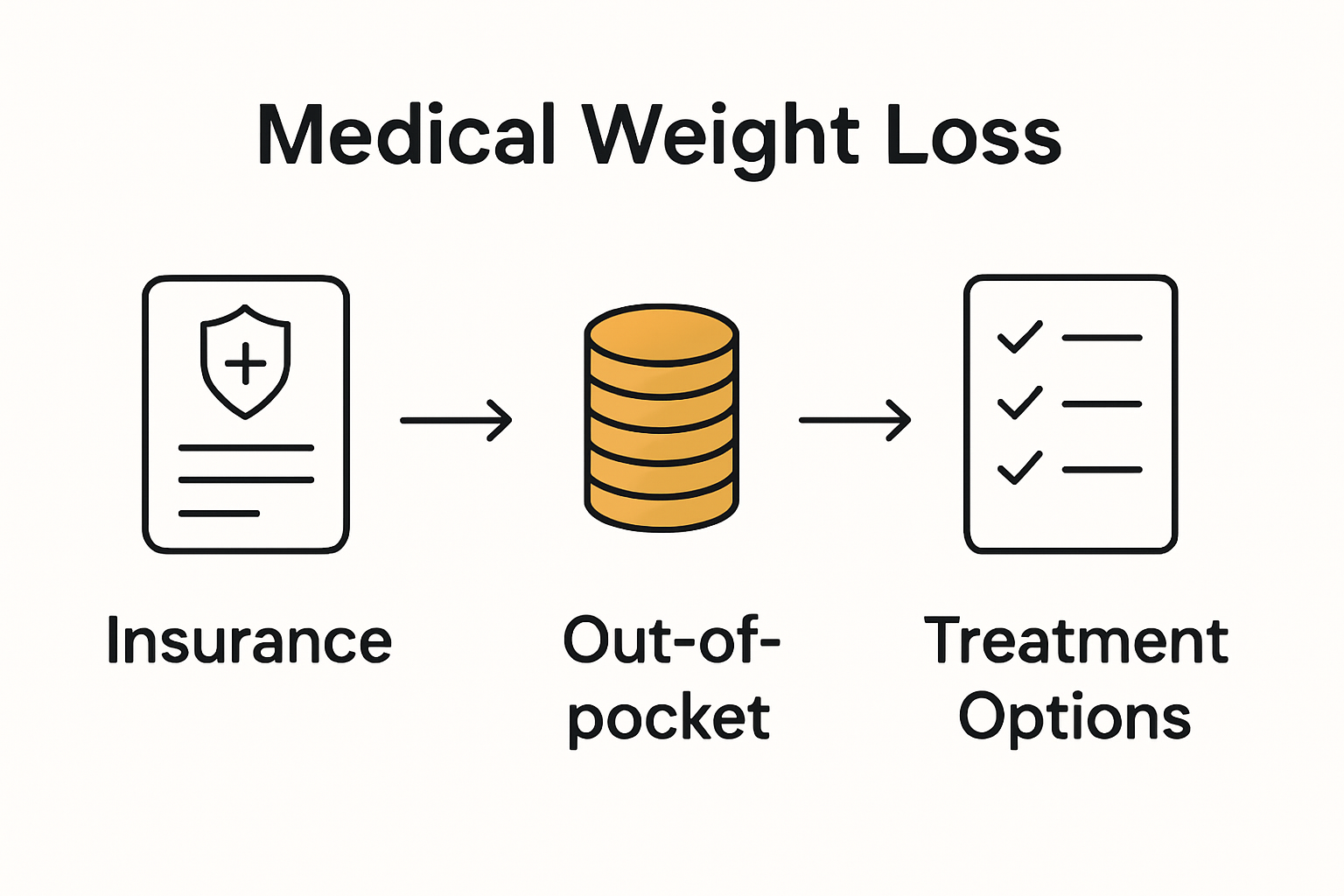
Cost considerations involve multiple layers of financial planning, including insurance coverage, out-of-pocket expenses, and long-term healthcare savings. While initial investments in medical weight loss might seem substantial, they frequently represent a preventative approach that can reduce future healthcare expenses associated with obesity-related chronic conditions. Patients should anticipate comprehensive discussions with healthcare providers about potential financial pathways, including insurance verification, payment plans, and potential long-term health economic benefits.
Take Control of Your Weight Loss Journey with Expert Support
Managing weight is complex and personal, especially when medical weight loss programs emphasize the importance of tailored treatments, metabolic assessments, and ongoing physician guidance. If you are seeking a convenient, scientifically-backed, and holistic approach to weight management, especially with advanced options like GLP-1 medications, Guppy Meds is here to help. Our telemedicine platform simplifies access to prescription-based therapies that are carefully tailored to your unique health profile, all from the comfort of your home.
Discover the power of medically supervised weight loss solutions such as those offered under our Weight Loss GLP-1’s | Guppy Meds category.

Take the first step toward a healthier you today by visiting Guppy Meds. Schedule your virtual consultation with licensed providers, receive personalized treatment plans, and have medications delivered safely and discreetly to your doorstep. Empower yourself with expert care that respects your time and privacy. Explore our full range of tailored health solutions on our All Products | Guppy Meds page and begin your sustainable weight loss journey now.
Frequently Asked Questions
What are medical weight loss programs?
Medical weight loss programs are personalized healthcare strategies designed to help individuals achieve sustainable weight reduction under professional medical supervision. These programs integrate various medical techniques and individualized treatment plans to address weight management as a complex health challenge.
How do prescription-based weight loss medications work?
Prescription-based weight loss medications utilize targeted pharmaceutical interventions that influence metabolic processes, focusing on appetite suppression and enhancing feelings of fullness. These medications are typically recommended for individuals with a certain BMI and are used in combination with lifestyle modifications.
What types of treatments are available in medical weight loss programs?
Medical weight loss programs offer a range of treatments, including bariatric surgery (such as gastric sleeve and gastric bypass) and non-surgical options like prescription medications. These approaches often combine nutritional counseling, behavioral modifications, and ongoing medical monitoring for effective weight management.
How do healthcare providers support individuals in medical weight loss programs?
Healthcare providers play a pivotal role by conducting comprehensive health assessments, developing personalized treatment plans, and offering continuous support. They help monitor progress, provide lifestyle modification guidance, and empower patients to understand the relationship between metabolism, nutrition, and overall health.
Recommended


Comments