
How Medication Arrives Safely with Telemedicine

Updated: Apr 7
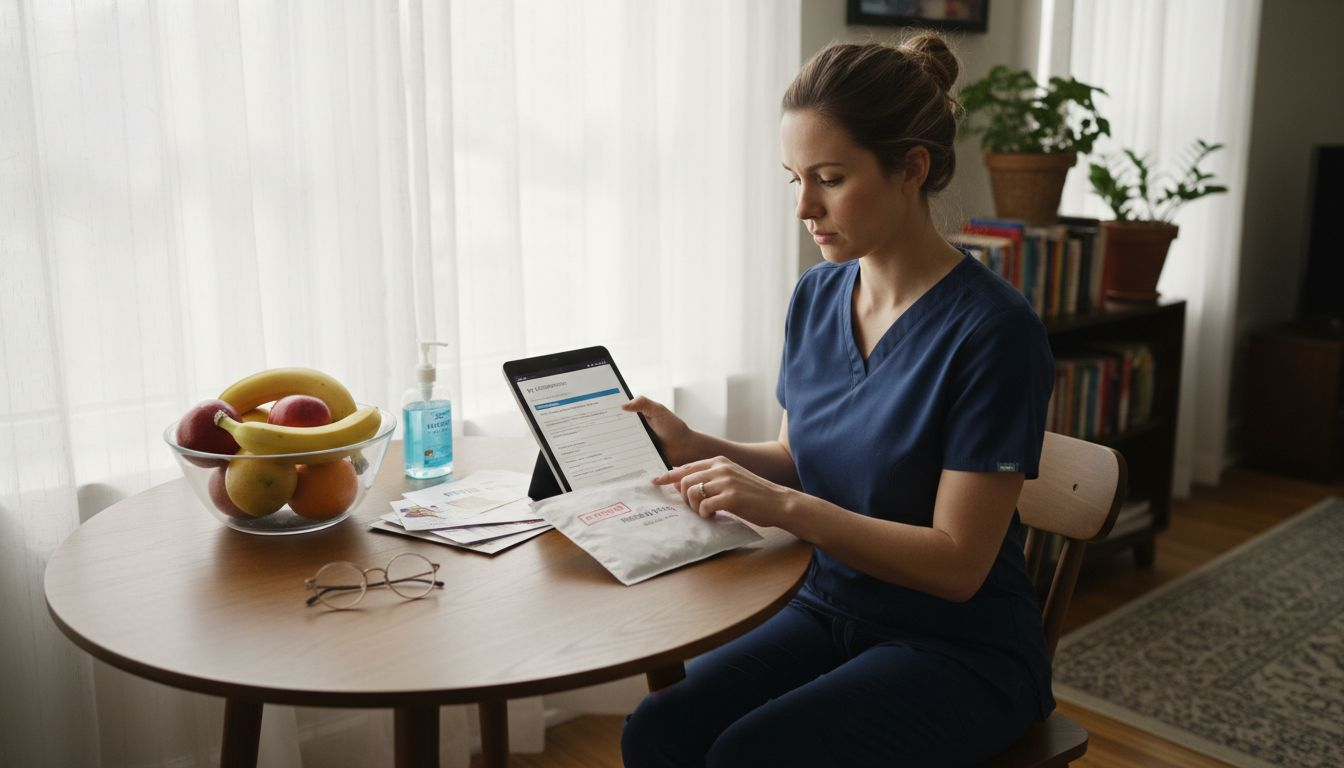
Most American professionals today are pressed for time and privacy, making traditional pharmacy visits challenging and often uncomfortable. As demand for convenience rises, telehealth systems now deliver prescription medications with unmatched safety. These platforms use encrypted technology, secure packaging, and licensed providers. Over 60 percent of American adults prefer virtual medical care when it offers discretion and reliability. Discover how telehealth redefines medication delivery for your busy lifestyle.
Table of Contents
Key Takeaways
Point | Details |
Telehealth Enhances Medication Safety | Telehealth platforms implement comprehensive verification measures to ensure secure and accurate medication delivery. |
Patient Engagement is Crucial | Patients should actively participate in their care by maintaining detailed medical histories and communicating effectively during virtual consultations. |
Regulatory Compliance is Essential | Healthcare providers must adhere to strict state and federal regulations to ensure patient safety and proper medication management. |
Technology Plays a Key Role | Advanced telehealth technologies, such as secure communication and real-time tracking systems, enhance patient privacy and medication integrity during delivery. |
Defining Safe Medication Delivery with Telehealth
Medication delivery through telehealth represents a sophisticated healthcare approach that prioritizes patient safety, convenience, and accessibility. As modern healthcare evolves, telehealth platforms are establishing rigorous protocols to ensure medications reach patients securely and efficiently. These systems integrate multiple safeguards to protect patient privacy, validate prescription accuracy, and maintain stringent medical standards.
The core components of safe medication delivery via telehealth involve comprehensive verification processes. Licensed healthcare providers conduct thorough virtual consultations, carefully evaluating patient medical history, current health status, and potential medication interactions. Secure technology platforms enable encrypted communications and protect sensitive patient information, ensuring HIPAA compliance and maintaining confidentiality throughout the prescription process.
Compound pharmacies play a critical role in this ecosystem, serving as specialized facilities that prepare personalized medications according to precise healthcare provider specifications. These pharmacies are FDA-registered and follow strict quality control measures, guaranteeing medication purity, dosage accuracy, and patient safety. By partnering with reputable compound pharmacies, telehealth services can deliver customized treatment solutions that meet individual patient needs while maintaining the highest pharmaceutical standards.
Pro tip: Before starting any telehealth medication program, request detailed information about the pharmacy’s certification, compounding processes, and quality assurance protocols to ensure maximum safety and effectiveness.
Here are core differences between traditional pharmacy delivery and telehealth medication delivery:
Aspect | Traditional Pharmacy Delivery | Telehealth Medication Delivery |
Consultation Method | In-person visit required | Virtual video or phone consultation |
Prescription Transfer | Physical prescription or fax | Secure electronic transmission |
Patient Privacy | Limited privacy controls in-store | Encrypted, HIPAA-compliant technology |
Medication Access | Restricted by location and hours | 24/7 access, delivered nationwide |
Telemedicine Prescriptions: Key Steps and Rules
Telemedicine prescriptions represent a complex process involving multiple regulatory requirements and patient safety protocols. Comprehensive federal guidelines establish strict standards for healthcare providers issuing remote prescriptions, ensuring patients receive appropriate medical care while maintaining rigorous safety standards. These regulations cover everything from patient identification to medication verification, creating a structured framework for digital healthcare delivery.
The prescription process typically involves several critical steps. Healthcare providers must first establish a legitimate patient-provider relationship, which includes thorough medical history review and comprehensive virtual consultation. Drug Enforcement Administration rules mandate specific requirements for prescribing controlled substances, including mandatory provider registration, identity verification, and participation in Prescription Drug Monitoring Programs. These regulations help prevent potential medication misuse while facilitating convenient healthcare access.
Key components of telemedicine prescriptions include detailed documentation, secure electronic transmission, and compliance with state and federal regulations. Providers must confirm patient identity, assess medical necessity, and ensure the selected medication aligns with the patient’s specific health needs. Advanced telehealth platforms integrate multiple verification layers, including secure video consultations, electronic health record reviews, and real-time prescription tracking systems to maintain patient safety and regulatory compliance.
Pro tip: Always request and verify your healthcare provider’s telemedicine prescription protocols, including their methods for patient verification, medication review, and follow-up care tracking.
Pharmacy Safety Standards and Regulatory Oversight
Pharmacy safety standards represent a critical framework ensuring patient protection and medication integrity within telemedicine platforms. Comprehensive telepharmacy regulatory guidelines establish rigorous protocols for medication handling, verification, and distribution across digital healthcare environments. These standards address complex challenges unique to remote pharmacy services, creating multilayered safeguards that protect patient health and ensure precise medication management.

The regulatory landscape for telepharmacy involves intricate collaboration between state boards of pharmacy, federal agencies, and healthcare technology providers. Key oversight mechanisms include mandatory licensing requirements, ongoing professional certification, and strict documentation protocols. Healthcare providers must maintain comprehensive electronic records, implement robust identity verification processes, and adhere to stringent medication tracking systems that monitor prescription accuracy, potential interactions, and patient-specific treatment protocols.
Advanced technological infrastructure plays a crucial role in maintaining pharmacy safety standards. Modern telepharmacy platforms integrate sophisticated encryption technologies, secure data transmission protocols, and real-time verification systems that cross-reference patient information, prescription details, and medical history. These technological safeguards work in concert with professional regulatory standards to create a comprehensive protective ecosystem that minimizes potential medication errors and ensures patient safety across digital healthcare delivery networks.
Pro tip: Request detailed information about your telepharmacy’s safety certification, technological security measures, and regulatory compliance protocols to ensure maximum medication management protection.
Secure Packaging, Shipping, and Patient Privacy
Telemedicine medication delivery requires sophisticated approaches to patient privacy and package security. Comprehensive privacy protocols mandate rigorous standards for protecting patient information and ensuring medication integrity during transit. These guidelines encompass multiple layers of protection, including secure data transmission, confidential packaging, and strict adherence to HIPAA regulations that safeguard sensitive medical information.
Packaging technologies have evolved to address both patient privacy and medication protection. Advanced shipping solutions now incorporate environment-resistant materials, child-resistant containers, and tamper-evident features that guarantee medication safety from pharmacy to patient. These innovations protect not just the physical medication, but also ensure complete confidentiality of patient treatment details, utilizing discrete packaging that maintains individual privacy throughout the delivery process.
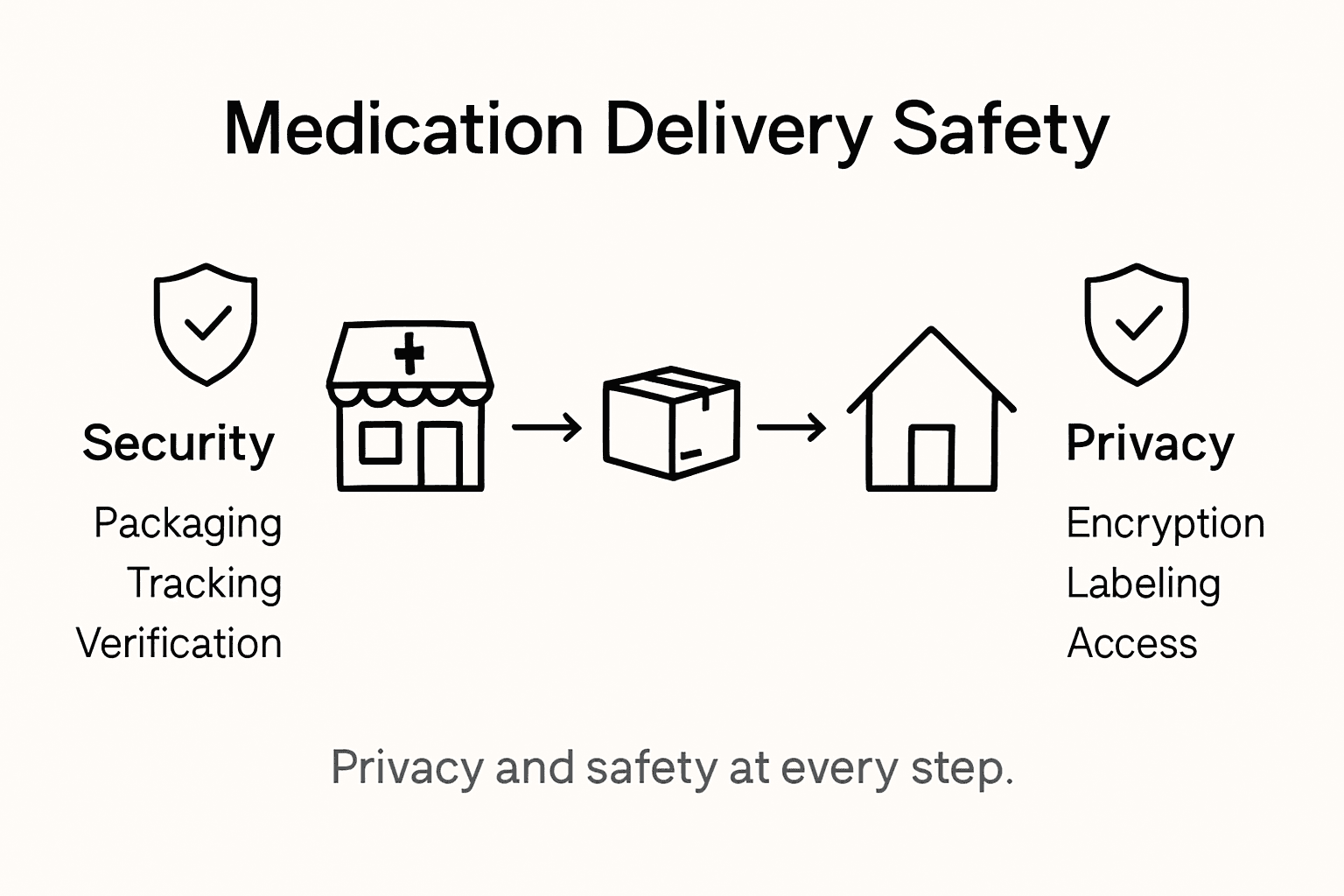
Digital tracking and secure communication systems play a crucial role in maintaining patient confidentiality. Telemedicine platforms implement end-to-end encryption, anonymous shipping protocols, and sophisticated tracking mechanisms that protect patient identities while providing transparent medication delivery updates. These systems create a comprehensive security ecosystem that addresses potential privacy concerns, ensuring patients can receive necessary medications with complete confidence in their personal information’s protection.
Pro tip: Always verify your telemedicine provider’s specific privacy protection measures, including package labeling practices, shipping confidentiality protocols, and data handling procedures.
This table summarizes how telehealth platforms protect patient data and medication safety:
Protection Method | Patient Benefit | Technology Employed |
End-to-end Encryption | Confidential health data | Encrypted communication tools |
Secure Packaging | Safeguards medication quality | Tamper-evident containers |
Real-Time Tracking | Transparent delivery updates | GPS and barcode systems |
Regulatory Compliance | Assurance of medical standards | Automated compliance checks |
Common Pitfalls and How Patients Stay Protected
Telemedicine medication delivery involves navigating complex potential challenges that require proactive patient awareness and strategic healthcare management. Patient safety frameworks highlight critical areas where patients must remain vigilant, including potential diagnostic limitations, technology-related communication barriers, and medication verification processes. Understanding these potential pitfalls enables patients to take informed steps to protect their healthcare experience and ensure comprehensive medical treatment.
The primary protection mechanisms involve multiple layers of verification and patient engagement. Patients should actively participate in their care by maintaining comprehensive medical histories, providing detailed information during virtual consultations, and thoroughly reviewing medication instructions. Sophisticated telehealth platforms incorporate advanced screening protocols, including cross-referencing patient medical records, conducting thorough virtual assessments, and implementing stringent medication interaction checks that minimize potential risks associated with remote healthcare delivery.
Technology and regulatory compliance play crucial roles in patient protection strategies. Modern telehealth systems integrate robust encryption technologies, secure communication channels, and comprehensive identity verification processes that create multiple safeguards against potential medical errors. These technological interventions work in concert with professional medical standards, ensuring that patients receive personalized, accurate, and secure medical care regardless of their geographical location or technological access limitations.
Pro tip: Always maintain a detailed, updated personal medical record and actively communicate any changes or concerns during your telehealth consultations to maximize your treatment safety.
Experience Trusted Medication Delivery with Guppy Meds
Navigating the complexities of telemedicine medication delivery can feel overwhelming with concerns about privacy, prescription accuracy, and package security. The article highlights important challenges such as ensuring encrypted communication, regulated pharmacy standards, and secure packaging to protect your health and confidentiality. At Guppy Meds, we address these exact concerns by partnering with an FDA-registered compound pharmacy and employing strict safety protocols that meet all regulatory requirements. Whether you are interested in our Longevity therapies or exploring options across our All Products range, our licensed providers conduct detailed virtual consultations to create personalized treatment plans just for you.
Take control of your healthcare journey today and enjoy safe, private, and convenient medication delivery right to your door. Visit Guppy Meds now to schedule your first virtual consultation and discover how telehealth medication fills should feel secure and effortless.
Frequently Asked Questions
How does telemedicine ensure the safety of medication delivery?
Telemedicine ensures safe medication delivery by implementing rigorous verification processes, including virtual consultations with licensed healthcare providers who assess medical history and medication interactions. Secure technology platforms are used for encrypted communication, and FDA-registered compound pharmacies prepare medications under strict quality control measures.
What steps are involved in obtaining a telemedicine prescription?
The process for obtaining a telemedicine prescription typically involves establishing a legitimate patient-provider relationship through a thorough medical history review and virtual consultation. Providers must verify patient identity, assess medical necessity, and comply with federal and state regulations regarding prescription safety.
How are patient privacy and medication confidentiality maintained during telehealth delivery?
Patient privacy and medication confidentiality are maintained through various means, including end-to-end encryption of communication, secure packaging for deliveries, and adherence to HIPAA regulations. Telehealth platforms use anonymous shipping protocols to ensure patient identities are protected throughout the medication delivery process.
What should patients do to maximize safety when using telehealth for medication delivery?
Patients should actively participate in their care by maintaining detailed medical records and providing complete information during consultations. It’s essential to verify the telehealth provider’s protocols for patient verification, medication review, and ensure follow-up care is tracked effectively.
Recommended


Comments