
GLP-1 for Weight Loss: Complete Guide and Benefits

Updated: Mar 27

More than 2% of all american adults are now using GLP-1 medications, a number that highlights their growing impact in the world of weight loss and metabolic health. With traditional options often falling short, understanding how GLP-1 works has become increasingly important for anyone navigating weight management. This guide breaks down what these powerful treatments do, how they influence the body, and the choices available for those seeking real, sustainable change.
Table of Contents
Key Takeaways
Point | Details |
Role of GLP-1 | GLP-1 is a crucial hormone that regulates metabolism, appetite, and glucose control, aiding in weight management. |
Impact on Appetite | The hormone enhances feelings of fullness and reduces food cravings, contributing significantly to weight loss. |
Medication Options | Various GLP-1 receptor agonists, such as semaglutide and tirzepatide, offer personalized weight loss solutions with varying effectiveness. |
Telemedicine Access | Telehealth platforms simplify the prescription process for GLP-1 medications, enhancing accessibility and patient convenience. |
Understanding GLP-1 and Its Function
Glucagon-like peptide 1 (GLP-1) is a powerful hormone that plays a critical role in metabolic regulation and weight management. Produced by specialized cells in the gut, this incretin hormone functions as a metabolic maestro, orchestrating complex interactions between various physiological systems to support weight loss and glucose control.
At its core, GLP-1 operates through multiple sophisticated mechanisms. When nutrients enter the digestive system, enteroendocrine L cells rapidly secrete GLP-1, triggering a cascade of metabolic responses. The hormone directly influences pancreatic beta cells, stimulating glucose-dependent insulin production while simultaneously suppressing glucagon release. This dual action helps stabilize blood sugar levels and reduce excessive insulin secretion.
The weight loss potential of GLP-1 stems from its remarkable ability to modulate appetite and digestion. By slowing gastric emptying and sending powerful satiety signals to the brain, GLP-1 helps individuals feel fuller for longer periods. This natural appetite suppression can lead to reduced caloric intake, making it an incredibly effective tool for those struggling with weight management. Key functional benefits of GLP-1 include:
Enhanced insulin sensitivity
Reduced glucagon production
Delayed gastric emptying
Increased feelings of fullness
Improved blood glucose regulation
Moreover, GLP-1’s influence extends beyond metabolic processes. Research suggests the hormone interacts with multiple organ systems, including the brain, kidney, and heart, indicating its comprehensive role in overall metabolic health. Understanding these intricate GLP-1 mechanisms can provide valuable insights into effective weight management strategies.
How GLP-1 Affects Appetite and Weight
The intricate relationship between GLP-1 and weight management represents a groundbreaking approach to understanding metabolic health. Research demonstrates that GLP-1 receptor agonists can significantly impact weight reduction across diverse populations, offering a promising solution for individuals struggling with weight control.
At the neurological level, GLP-1 operates through sophisticated appetite regulation mechanisms. The hormone sends powerful signals to the hypothalamus, the brain’s central hunger control center, effectively reducing food cravings and diminishing overall appetite. This neurological intervention creates a natural caloric deficit by decreasing hunger sensations and increasing feelings of fullness, which directly contributes to weight loss efforts.
The weight management potential of GLP-1 extends far beyond simple appetite suppression. Comprehensive weight management strategies reveal multiple metabolic pathways through which the hormone influences body composition. By modulating insulin sensitivity, reducing glucagon production, and slowing gastric emptying, GLP-1 creates a multifaceted approach to weight control.
Key Weight Loss Mechanisms of GLP-1:
Neurological appetite suppression
Increased metabolic rate
Enhanced insulin sensitivity
Reduced food intake
Improved glucose metabolism
Scientific evidence suggests that different GLP-1 receptor agonists can produce varying weight loss outcomes. Some medications demonstrate more pronounced weight reduction effects, with emerging treatments showing promising results in clinical trials. The hormone’s ability to interact with multiple physiological systems makes it a versatile and powerful tool in comprehensive weight management strategies.

Types of GLP-1 Medications for Weight Loss
GLP-1 receptor agonists represent a sophisticated class of medications designed to support weight management and metabolic health. Comprehensive research has revealed significant variations in effectiveness among different medications, providing patients with multiple options for addressing weight-related challenges.
Some of the most prominent GLP-1 medications include semaglutide, liraglutide, and tirzepatide. Clinical investigations highlight tirzepatide’s superior performance in glycemic control and weight reduction, making it a particularly promising treatment for individuals struggling with obesity and type 2 diabetes. These medications work by mimicking the body’s natural GLP-1 hormone, targeting multiple physiological systems to support sustainable weight loss.
Key GLP-1 Medication Categories:
Injectable Medications:
Semaglutide (weekly injection)
Liraglutide (daily injection)
Tirzepatide (weekly injection)
Emerging Advanced Formulations:
Extended-release versions
Combination hormone therapies
Weight loss prescription strategies have evolved significantly, with healthcare providers now able to customize treatments based on individual metabolic profiles. The medications differ in dosage, administration frequency, and specific metabolic targeting, allowing for personalized approaches to weight management.
Advanced GLP-1 receptor agonists demonstrate remarkable potential beyond traditional weight loss methods. These medications not only support weight reduction but also offer additional metabolic benefits, including improved insulin sensitivity, reduced cardiovascular risk, and enhanced overall metabolic health. The ongoing research continues to expand our understanding of these powerful therapeutic interventions.
Safety, Side Effects, and Candidate Selection
GLP-1 medications represent a promising weight loss intervention, but understanding their safety profile and appropriate usage requires careful consideration. Real-world data suggests that treatment outcomes can vary significantly from clinical trial results, highlighting the importance of personalized medical evaluation.
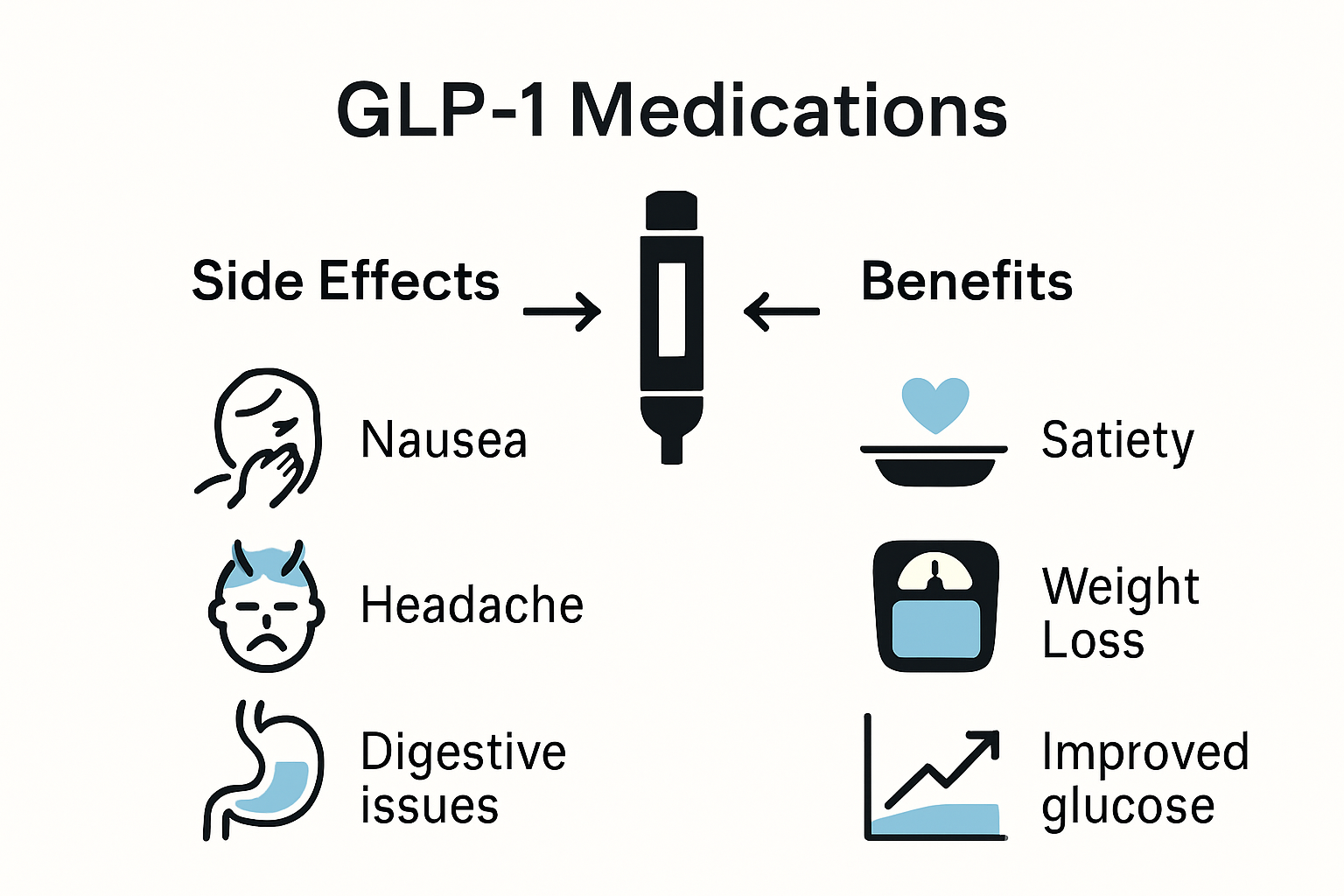
Typical side effects include gastrointestinal symptoms such as nausea, vomiting, and diarrhea. These reactions are often most pronounced during initial treatment and tend to decrease as the body adjusts. Patients with a history of digestive issues or those prone to sensitive stomach reactions may require more careful monitoring and potentially adjusted dosing strategies.
Ideal Candidate Characteristics:
Body Mass Index (BMI) over 30
Type 2 diabetes diagnosis
Previous unsuccessful weight loss attempts
No history of pancreatic disease
No severe gastrointestinal disorders
Critical pregnancy considerations are particularly important for women of childbearing age. Potential risks include increased likelihood of preterm delivery and gestational complications, necessitating comprehensive discussions with healthcare providers before initiating treatment.
Contraindications and potential risks require thorough medical screening. Not everyone is an ideal candidate for GLP-1 medications. Individuals with a personal or family history of medullary thyroid cancer, multiple endocrine neoplasia syndrome type 2, or severe kidney disease may be advised against these treatments. A comprehensive health assessment, including reviewing medical history, current medications, and potential drug interactions, remains crucial in determining individual suitability.
Telemedicine Access to GLP-1 Treatments
Telemedicine has revolutionized healthcare access, making advanced weight loss treatments more convenient and accessible than ever before. Recent data indicates a remarkable surge in GLP-1 medication usage, with over 2% of Americans now utilizing these treatments through digital health platforms.
The online prescription process for GLP-1 medications typically involves a comprehensive virtual consultation with a licensed healthcare provider. Patients complete detailed medical questionnaires, participate in video consultations, and receive personalized treatment recommendations. This streamlined approach eliminates traditional barriers like scheduling in-person appointments, traveling to clinics, and waiting rooms.
Key Telemedicine GLP-1 Treatment Steps:
Complete online health assessment
Schedule virtual consultation
Medical provider reviews medical history
Prescription determination
Medication delivery to home
GLP-1 prescription processes have become increasingly sophisticated, allowing for nuanced, personalized medical evaluations. Healthcare providers can now conduct thorough assessments, review patient histories, and determine appropriate treatments entirely through secure digital platforms.
Privacy and convenience remain paramount in telemedicine approaches. Patients can now access advanced weight loss treatments discreetly, without the potential discomfort of in-person medical consultations. The digital health landscape continues to evolve, offering more sophisticated, patient-centered approaches to managing weight and metabolic health through innovative technological solutions.
Comparing GLP-1 to Traditional Options
Weight loss strategies have dramatically evolved, with GLP-1 medications representing a significant breakthrough compared to traditional weight management approaches. Head-to-head clinical trials reveal remarkable differences in treatment effectiveness, demonstrating how modern pharmacological interventions can substantially outperform conventional methods.
Traditional weight loss options typically included diet pills, appetite suppressants, and generic metabolic medications with limited efficacy. In contrast, GLP-1 medications work through complex physiological mechanisms, targeting multiple metabolic pathways simultaneously. These medications not only reduce appetite but also improve insulin sensitivity, slow gastric emptying, and provide more comprehensive metabolic support.
Comparative Weight Loss Intervention Features:
Traditional Methods:
Generic appetite suppressants
Limited metabolic interaction
Inconsistent results
Short-term effectiveness
GLP-1 Medications:
Multi-pathway metabolic support
Sustained weight loss
Insulin regulation
Comprehensive health benefits
Weight loss treatment options have significantly expanded, offering patients more personalized and scientifically advanced solutions. GLP-1 medications represent a paradigm shift from one-size-fits-all approaches to targeted, biologically informed interventions that address the complex underlying mechanisms of weight management.
The superior performance of newer GLP-1 medications highlights the importance of continuous medical innovation. Unlike traditional weight loss strategies that often relied on willpower and restrictive approaches, these advanced treatments offer a more nuanced, physiologically integrated method of supporting healthy weight reduction and metabolic optimization.
Unlock Effective Weight Loss with GLP-1 Solutions from Guppy Meds
Struggling with controlling your appetite and managing weight despite your best efforts is frustrating. This guide highlights how GLP-1 hormones help by reducing hunger, improving insulin sensitivity, and supporting steady weight loss through real biological pathways. If you want a personalized way to take advantage of these powerful effects, our Weight Loss GLP-1’s | Guppy Meds offerings are designed just for you.
Don’t wait to experience the benefits of tailored GLP-1 treatments delivered right to your door with privacy and convenience. Schedule your virtual consultation today at Guppy Meds and take control of your health. Explore all our options in Weight Loss GLP-1’s | Guppy Meds or browse through our full selection at All Products | Guppy Meds to start your journey toward sustainable weight management now.
Frequently Asked Questions
What is GLP-1 and how does it function in weight loss?
GLP-1, or glucagon-like peptide 1, is a hormone produced in the gut that regulates metabolism and aids in weight management. It enhances insulin sensitivity, suppresses appetite, slows gastric emptying, and improves blood glucose levels.
What are the primary benefits of GLP-1 medications for weight loss?
GLP-1 medications provide several benefits, including increased feelings of fullness, reduced caloric intake, improved insulin sensitivity, and overall enhanced metabolic health. This multi-faceted approach makes them effective for weight management.
How do GLP-1 receptor agonists compare to traditional weight loss methods?
Unlike traditional weight loss methods, which often rely on diet pills or appetite suppressants with limited efficacy, GLP-1 receptor agonists target multiple metabolic pathways, providing more comprehensive support for sustained weight loss and better insulin regulation.
Are there any side effects associated with GLP-1 medications?
Yes, common side effects include gastrointestinal symptoms such as nausea, vomiting, and diarrhea. These are often more pronounced in the initial phases of treatment but typically decrease as the body adjusts. It’s important to consult a healthcare provider for proper monitoring and advice.
Recommended


Comments