
Enhancing Muscle Tone with Peptide Therapy: What You Need to Know
- Dr. Devin Stone, ND

- Feb 26
- 3 min read
Updated: Mar 27
Muscle tone plays a crucial role in our overall strength, posture, and physical appearance. When muscle tone decreases, it can lead to weakness, reduced mobility, and a decline in quality of life. Many people seek effective ways to restore or improve muscle tone, especially as they age or recover from injury. Peptide therapy has emerged as a promising option to support muscle health and enhance muscle tone naturally. This article explores how peptide therapy works, its benefits, and what you should consider before starting treatment.
What Is Peptide Therapy?
Peptides are short chains of amino acids that act as signaling molecules in the body. They regulate various biological functions, including hormone release, immune response, and tissue repair. Peptide therapy involves using specific peptides to target and improve certain health conditions or bodily functions.
In the context of muscle tone, peptides can stimulate muscle growth, enhance recovery, and improve muscle strength. Unlike traditional supplements or medications, peptides work by communicating directly with cells to trigger natural processes that support muscle health.
How Peptide Therapy Supports Muscle Tone
Decreased muscle tone can result from aging, inactivity, injury, or medical conditions such as muscular dystrophy or neurological disorders. Peptide therapy offers a way to address these issues by:
Promoting muscle regeneration: Certain peptides encourage the repair and growth of muscle fibers.
Increasing protein synthesis: Peptides can boost the production of proteins necessary for muscle strength.
Enhancing hormone levels: Some peptides stimulate the release of growth hormone and other anabolic hormones that support muscle development.
Reducing inflammation: Peptides may help lower inflammation, which can impair muscle function and recovery.
For example, peptides like BPC-157 and TB-500 have shown potential in accelerating muscle healing and reducing inflammation in experimental studies. Growth hormone-releasing peptides (GHRPs) can increase growth hormone levels, which play a key role in muscle maintenance.
Common Peptides Used for Muscle Tone Improvement
Here are some peptides frequently used to enhance muscle tone:
BPC-157: Known for its healing properties, it supports tendon and muscle repair.
TB-500: Helps reduce inflammation and promotes tissue regeneration.
GHRP-6 and GHRP-2: Stimulate growth hormone release, aiding muscle growth and fat metabolism.
Ipamorelin: A growth hormone secretagogue that encourages muscle development with fewer side effects.
Each peptide has a unique mechanism and benefits. Treatment plans often combine peptides for a more comprehensive effect.
What to Expect During Peptide Therapy
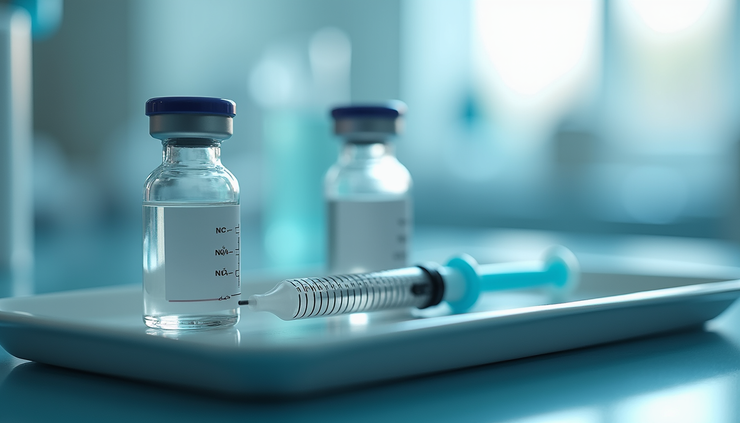
Peptide therapy typically involves subcutaneous injections administered daily or several times a week, depending on the peptide and treatment goals. The therapy duration varies but usually lasts from a few weeks to several months.
Patients may notice gradual improvements in muscle tone, strength, and recovery time. Some report increased energy and reduced muscle soreness. It is essential to follow medical guidance and monitor progress regularly.
Safety and Considerations
Peptide therapy is generally considered safe when supervised by a healthcare professional. However, it is important to:
Consult a qualified practitioner: Proper diagnosis and peptide selection are crucial.
Understand potential side effects: Mild reactions like redness or irritation at the injection site are common. Rarely, hormonal imbalances or allergic reactions may occur.
Avoid unregulated products: Use peptides from reputable sources to ensure purity and effectiveness.
Combine with lifestyle changes: Peptide therapy works best alongside proper nutrition, exercise, and rest.
Real-Life Example: Muscle Tone Recovery After Injury
Consider a middle-aged individual recovering from a muscle strain. Traditional rehabilitation included physical therapy and rest, but progress was slow. After starting peptide therapy with BPC-157 and TB-500, the person experienced faster healing, less pain, and improved muscle tone within weeks. This example illustrates how peptides can complement conventional treatments to enhance muscle recovery.

Who Can Benefit from Peptide Therapy?
Peptide therapy may help:
Older adults experiencing natural muscle loss
Athletes recovering from injuries
Individuals with muscle weakness due to medical conditions
People seeking to improve muscle tone and physical performance
It is not a quick fix but a supportive treatment that requires commitment and professional oversight.
Final Thoughts on Peptide Therapy for Muscle Tone
Peptide therapy offers a promising approach to enhance muscle tone by supporting natural muscle repair, growth, and hormone balance. While research continues to evolve, many patients have found it beneficial as part of a comprehensive muscle health plan.
If you are considering peptide therapy, start by consulting a healthcare provider experienced in this field. They can help determine the best peptides for your needs and design a safe treatment plan. Remember, combining therapy with exercise and nutrition maximizes results and supports long-term muscle health.
Taking steps to improve muscle tone can boost your strength, mobility, and confidence. Peptide therapy may be the tool you need to support your journey toward stronger muscles and better physical well-being.


Comments