
Metabolic Health Explained: Complete Essential Guide


More than 80 percent of american adults have at least one risk factor for poor metabolic health, yet the topic remains confusing for many. With so much conflicting advice, understanding what metabolic health truly means can seem out of reach. This guide breaks down the core principles and science-backed indicators so you can take practical steps toward long-term wellness and a healthier future.
Table of Contents
Key Takeaways
Point | Details |
Metabolic Health Definition | Metabolic health is the body’s ability to maintain optimal biochemical processes, essential for overall well-being and chronic disease prevention. |
Key Indicators | Important metrics include stable blood glucose, healthy insulin sensitivity, balanced cholesterol, and body composition indicators. |
Myths About Metabolic Health | Common misconceptions include the belief that normal weight guarantees metabolic health; comprehensive assessments are crucial for accurate evaluation. |
Improving Metabolic Health | A holistic approach involving balanced nutrition, regular exercise, and stress management is vital for optimizing metabolic function and wellness. |
Defining Metabolic Health And Core Principles
Metabolic health represents the intricate biochemical ecosystem within our bodies responsible for converting nutrients into energy, maintaining cellular function, and sustaining overall wellness. According to research from NCBI, metabolic health fundamentally refers to the body’s ability to maintain optimal biochemical processes, which are essential for comprehensive well-being.
At its core, metabolic health encompasses several critical physiological mechanisms that work synergistically to regulate energy production, nutrient processing, and systemic balance. Metabolic pathways serve as the body’s intricate highway system, directing nutrients, hormones, and cellular signals to support vital functions. These pathways determine how efficiently your body processes food, manages blood sugar, distributes energy, and responds to metabolic stressors.
The significance of metabolic health extends far beyond simple calorie management. PMC research highlights that optimal metabolic function can substantially reduce risks associated with chronic diseases like diabetes, cardiovascular conditions, and metabolic syndrome. Key indicators of robust metabolic health include:
Stable blood glucose levels
Healthy insulin sensitivity
Balanced cholesterol profiles
Efficient energy metabolism
Appropriate body composition
Regulated inflammatory responses
Understanding and supporting your metabolic health involves a holistic approach that integrates nutrition, physical activity, stress management, and personalized medical insights. By recognizing the interconnected nature of these metabolic processes, individuals can make informed lifestyle choices that promote long-term wellness and disease prevention.
For additional strategies on optimizing your metabolic health, check out our 7 Essential Weight Loss Tips for Longevity-Minded Adults article that provides practical, actionable guidance.
Key Indicators Of Metabolic Health Status
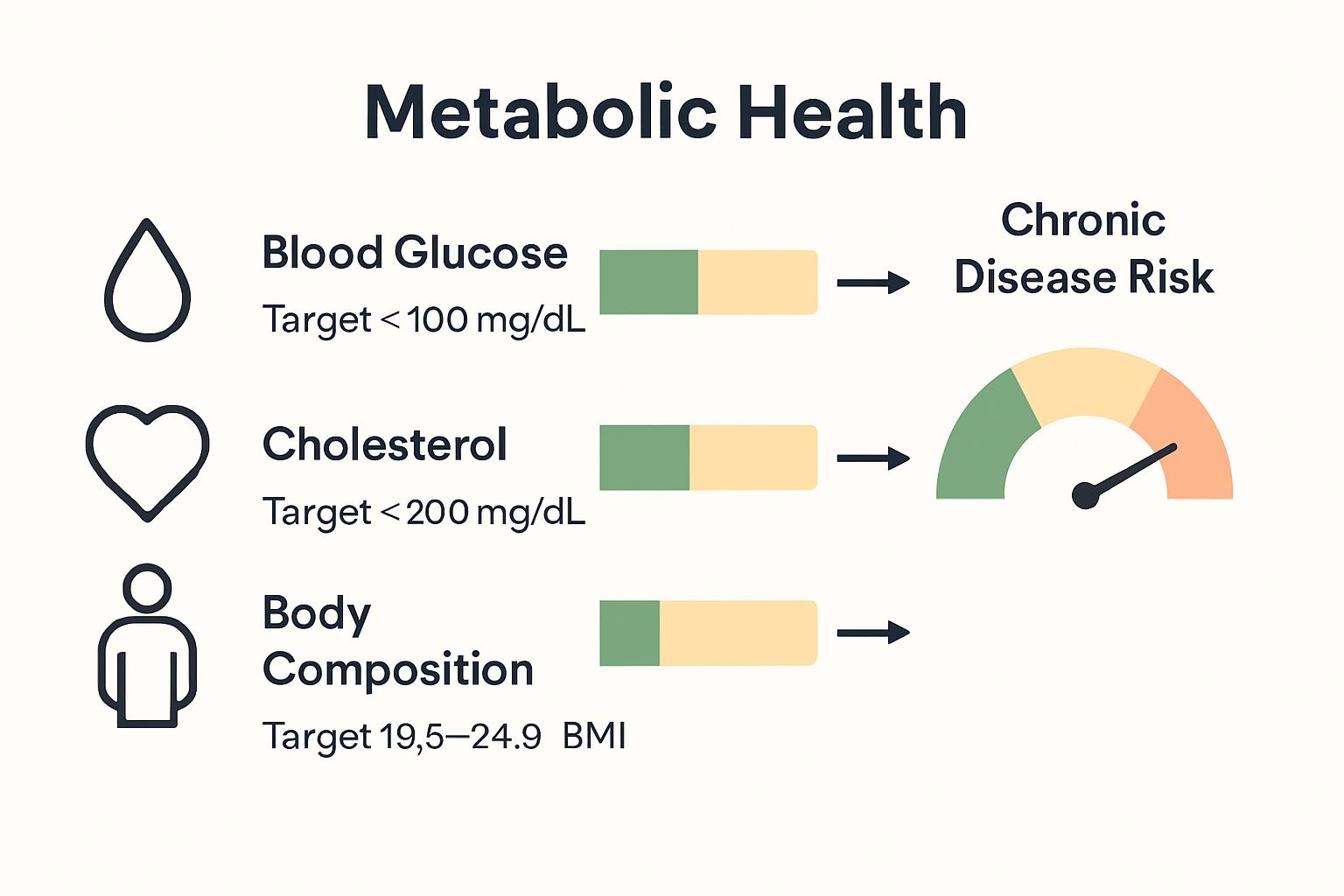
Body composition metrics serve as critical signals revealing an individual’s metabolic wellness. According to research from Med LibreTexts/07%3A_Energy_Balance_and_Healthy_Body_Weight/7.03%3A_Indicators_of_Health-_BMI_Body_Composition_and_Metabolic_Health), key indicators of metabolic health prominently include body mass index (BMI), overall body composition, and specific fat distribution patterns, with central obesity representing a significant risk factor for numerous chronic health conditions.
Healthcare professionals utilize multiple diagnostic markers to comprehensively assess metabolic health status. PMC research highlights that advanced machine learning models increasingly rely on metrics like waist circumference and BMI to predict potential cardiovascular risks with remarkable accuracy. These quantitative measurements provide insights into an individual’s metabolic profile beyond traditional diagnostic approaches.

Comprehensive metabolic health assessment encompasses several critical parameters:
Waist Circumference: Indicates abdominal fat accumulation
Body Mass Index (BMI): Provides overall weight-to-height ratio assessment
Fasting Blood Glucose: Reveals insulin sensitivity and potential diabetes risk
Triglyceride Levels: Measures fat metabolism efficiency
Blood Pressure: Indicates cardiovascular system stress
Cholesterol Profiles: Demonstrates lipid metabolism health
Inflammatory Markers: Suggests systemic metabolic inflammation
Interpreting these indicators requires a nuanced understanding that goes beyond isolated measurements. Metabolic health represents a complex, interconnected system where individual metrics collectively paint a comprehensive picture of physiological functioning. Tracking these indicators over time allows individuals and healthcare providers to develop proactive strategies for maintaining optimal metabolic wellness.
For personalized strategies to improve your metabolic indicators, explore our 7 Essential Weight Loss Tips for Longevity-Minded Adults guide, which offers targeted recommendations for metabolic optimization.
Common Myths About Metabolic Health
Metabolic health is surrounded by numerous misconceptions that can mislead individuals about their overall wellness. According to research from Med LibreTexts/10%3A_Weight_Management/10.04%3A_Indicators_of_Health-_BMI_Body_Composition_and_Metabolic_Health), a prevalent myth is that individuals with normal body weight are always metabolically healthy. In reality, metabolic abnormalities can occur across all body types, emphasizing the critical need for comprehensive health assessments beyond simple weight measurements.
PMC research further challenges common assumptions by highlighting that metabolic health varies significantly across different weight categories. This nuanced understanding reveals that lifestyle factors play a more substantial role in metabolic wellness than previously believed. Simply being thin does not guarantee optimal metabolic function, nor does being overweight automatically indicate poor metabolic health.
Let’s debunk some of the most persistent myths about metabolic health:
Myth 1: Only overweight people have metabolic issues
Myth 2: BMI is the sole indicator of metabolic health
Myth 3: Young people don’t need to worry about metabolic wellness
Myth 4: Metabolism is entirely predetermined by genetics
Myth 5: Extreme diets can quickly fix metabolic problems
Myth 6: Metabolic health is only about weight
Understanding these myths requires a holistic approach to health. Metabolic wellness is a complex interplay of nutrition, physical activity, stress management, sleep quality, and individual physiological responses. It’s not a one-size-fits-all concept but a personalized journey that demands ongoing attention and adaptive strategies.
For deeper insights into the nuanced world of metabolic health interventions, explore our detailed guide on understanding the side effects of MOTS-C therapy, which provides additional context on advanced metabolic health approaches.
Factors Impacting Metabolic Function
Metabolic function represents a complex interplay of biological processes influenced by multiple interconnected factors. PMC research reveals that energetic stress metabolites such as lactate and ketone bodies play critical roles in modulating insulin sensitivity and metabolic performance. These biochemical markers serve as essential indicators of the body’s metabolic efficiency and potential health risks.
PMC research further emphasizes the significant impact of ectopic fat deposition, particularly visceral fat surrounding vital organs. This type of fat accumulation can dramatically impair metabolic function by promoting systemic inflammation and insulin resistance, substantially increasing cardiometabolic risk. Understanding these intricate mechanisms is crucial for developing targeted interventions and preventive strategies.
Key factors influencing metabolic function include:
Nutritional Intake: Quality and composition of diet
Physical Activity: Regular exercise and movement patterns
Hormonal Balance: Insulin, cortisol, and thyroid hormone levels
Genetic Predispositions: Inherited metabolic characteristics
Sleep Patterns: Duration and quality of rest
Stress Levels: Chronic stress and psychological well-being
Environmental Factors: Exposure to toxins and lifestyle stressors
Metabolic health is not a static condition but a dynamic process requiring continuous attention and personalized strategies. Individuals can optimize their metabolic function by understanding these interconnected factors and implementing comprehensive lifestyle modifications.
For advanced insights into metabolic health interventions, explore our detailed guide on understanding the side effects of MOTS-C therapy, which provides additional context on cutting-edge metabolic health approaches.
Improving And Managing Metabolic Health
PMC research demonstrates that adopting a comprehensive lifestyle approach is fundamental to improving metabolic health. Regular physical activity and balanced nutrition serve as cornerstone strategies for positively influencing metabolic profiles and reducing the risk of cardiovascular diseases. This holistic perspective emphasizes that metabolic wellness is not about isolated interventions but a sustained, integrated approach to personal health management.
PMC research highlights emerging therapeutic interventions, such as SGLT-2 inhibitors, which show promising results in enhancing metabolic pathway optimization. These targeted approaches can improve insulin sensitivity, reduce liver fat content, and provide advanced metabolic health support beyond traditional lifestyle modifications.
Key strategies for improving metabolic health include:
Nutrition Optimization: Balanced, nutrient-dense diet
Regular Exercise: Consistent physical activity
Stress Management: Techniques like meditation and mindfulness
Sleep Hygiene: Consistent, quality sleep patterns
Hormone Balance: Regular health screenings
Inflammation Reduction: Anti-inflammatory diet and lifestyle
Metabolic Monitoring: Regular health assessments
Personalized metabolic health management requires a dynamic, adaptive approach that responds to individual physiological changes. Understanding your unique metabolic profile allows for more targeted and effective interventions, transforming health management from a generic prescription to a tailored, precision-based strategy.
For a comprehensive approach to weight management that supports metabolic health, explore our step-by-step guide to weight management plans for adults, which offers practical insights into sustainable health optimization.
Telemedicine Support For Metabolic Wellness
According to NCBI research, telemedicine platforms represent a revolutionary approach to metabolic health management, offering continuous monitoring of critical metabolic indicators. This innovative model enables timely interventions and personalized management plans for individuals seeking comprehensive wellness strategies without traditional healthcare barriers.
PMC research demonstrates how advanced telemedicine integrates machine learning algorithms to enhance metabolic health assessments. These sophisticated technological approaches can analyze complex health indicators, predict potential cardiovascular risks, and provide nuanced insights that traditional medical consultations might overlook.
Key advantages of telemedicine for metabolic wellness include:
Remote Health Monitoring: Real-time tracking of metabolic indicators
Personalized Consultations: Expert guidance from home
Convenient Access: Eliminate travel and waiting room constraints
Comprehensive Data Analysis: Advanced algorithmic health assessments
Continuous Support: Regular virtual check-ins and progress tracking
Privacy Protection: Secure, confidential medical interactions
Cost-Effective Solutions: Reduced healthcare overhead expenses
Telemedicine transforms metabolic health management from a reactive to a proactive model, empowering individuals with immediate access to professional medical insights and personalized intervention strategies. This approach democratizes healthcare by breaking down traditional accessibility barriers and providing sophisticated, technology-driven wellness support.
To understand how technology is revolutionizing weight management approaches, explore our comprehensive telemedicine weight loss guide to achieve results at home, which offers practical strategies for metabolic optimization.
Take Control of Your Metabolic Health with Expert Support
Struggling to achieve balanced blood sugar levels, healthy insulin sensitivity, or optimal body composition can feel overwhelming. This guide highlights the complex factors that influence metabolic wellness and the myths that may hold you back from finding real solutions. If you want to move beyond confusing diets or guesswork about your metabolism, there is a simpler and more effective option.

Discover how Guppy Meds makes managing your metabolic health convenient and personalized. Our healthcare-focused telemedicine platform connects you with licensed providers who understand the importance of nutrition, exercise, hormone balance, and stress management in optimizing metabolism. We offer tailored treatment plans including weight loss therapies like GLP-1 delivered right to your door through an FDA-registered pharmacy for safety and peace of mind.
Benefit from privacy, accessibility, and monthly subscription pricing designed for busy adults ready to take charge of their wellness journey. Don’t wait until symptoms worsen or complications arise. Visit Guppy Meds now to schedule your virtual consultation and start improving your metabolic health today. Take the first step to personalized care that fits your lifestyle by exploring our weight management plans and telemedicine weight loss guide. Your metabolic wellness is within reach.
Frequently Asked Questions
What is metabolic health?
Metabolic health refers to the body’s ability to optimally process nutrients, maintain energy balance, and regulate biochemical functions necessary for overall wellness. It encompasses stable blood glucose levels, healthy cholesterol profiles, and efficient energy metabolism.
How can I improve my metabolic health?
Improving metabolic health involves adopting a holistic lifestyle approach that includes a balanced diet, regular physical activity, stress management techniques, and adequate sleep. Specific strategies include consuming nutrient-dense foods, participating in consistent exercise, and managing inflammation.
What are key indicators of metabolic health?
Key indicators include body mass index (BMI), waist circumference, fasting blood glucose levels, triglyceride levels, cholesterol profiles, blood pressure, and inflammatory markers. These metrics collectively provide insights into an individual’s metabolic wellness.
Can metabolic health be assessed through telemedicine?
Yes, telemedicine platforms can facilitate comprehensive metabolic health assessments by enabling continuous monitoring of critical indicators. This approach allows for timely interventions and personalized health strategies without the need for traditional in-person visits.
Recommended


Comments