
Health Optimization Explained: Modern Strategies and Risks

Updated: Mar 27

Over forty percent of american adults say they feel confused about the true meaning of health optimization. With so many products, apps, and expert claims swirling around wellness conversations, it can be tough to separate genuine strategies from common myths. Understanding what health optimization really means lets you move beyond outdated ideas and make smarter choices that support long-term well-being.
Table of Contents
Key Takeaways
Point | Details |
Holistic Health Optimization | Health optimization emphasizes a proactive, comprehensive approach to wellness beyond just the absence of illness, focusing on mental, emotional, and social well-being. |
Personalized Treatments | Effective health optimization strategies require individualized assessments and tailored interventions that align with each person’s unique health needs and lifestyle. |
Role of Telemedicine | Telemedicine enhances healthcare access and flexibility, allowing patients to manage their wellness remotely while benefiting from comprehensive digital health services. |
Awareness of Risks and Costs | While health optimization treatments offer potential benefits, individuals must be informed about the associated costs and possible risks to ensure effective and secure care. |
Defining Health Optimization and Popular Misconceptions
Health optimization represents a comprehensive approach to wellness that transcends traditional medical treatment, focusing on proactive strategies designed to enhance overall physical, mental, and social well-being. Unlike conventional healthcare models that primarily address illness, this paradigm emphasizes preventing disease, maximizing human performance, and creating sustainable lifestyle interventions.
According to research exploring health concepts ERIC Educational Resources, many individuals hold significant misconceptions about health, often narrowly defining wellness as merely the absence of physical symptoms. This limited perspective neglects critical dimensions such as mental resilience, emotional balance, and social connectivity. Future educators studied in this research demonstrated a tendency to oversimplify health, typically reducing it to physiological markers while overlooking the intricate interconnections between mind, body, and environmental factors.
Key Misconceptions About Health Optimization:
Believing health is solely about physical fitness
Assuming medical interventions are only necessary when symptoms appear
Underestimating the role of mental and emotional wellness
Viewing health as a static condition rather than a dynamic process
True health optimization requires a holistic, personalized approach that integrates multiple wellness domains. This means considering nutrition, exercise, stress management, sleep quality, mental health, social relationships, and emerging medical technologies as interconnected components of overall well-being.
By understanding health as a complex, adaptive system, individuals can develop more nuanced strategies for maintaining and improving their physical and psychological performance.
Modern health optimization strategies recognize that wellness is not a one-size-fits-all proposition. Each person’s genetic makeup, lifestyle, environmental influences, and personal goals contribute to a unique wellness blueprint. Effective approaches therefore demand individualized assessments, continuous monitoring, and adaptive interventions that can evolve alongside an individual’s changing health needs.
Types of Health Optimization Treatments Available
Health optimization encompasses a diverse range of treatments designed to enhance overall wellness, spanning pharmacological interventions, lifestyle modifications, and advanced medical technologies. Modern approaches recognize that effective health strategies must be personalized, targeting individual physiological, metabolic, and psychological needs.
Research from the National Institutes of Health highlights the importance of integrated treatment models, particularly in managing complex health conditions like Type 2 diabetes. By combining pharmacological therapies with behavioral science interventions, healthcare professionals can develop more comprehensive and adaptive treatment strategies that address multiple dimensions of wellness.
Primary Categories of Health Optimization Treatments:
Pharmacological Interventions
Hormone replacement therapies
Metabolic optimization medications
Weight management prescriptions
Lifestyle Modification Programs
Nutrition counseling
Exercise and fitness coaching
Stress management techniques
Advanced Medical Technologies
Peptide therapies
Regenerative medicine approaches
Precision diagnostic screening
Clinical research from PMC Clinical Studies underscores the critical need for evidence-based treatment approaches, particularly in addressing complex health challenges like obesity. Modern health optimization strategies recognize that effective treatments must go beyond traditional medical models, integrating sophisticated diagnostic tools, personalized intervention protocols, and continuous monitoring systems.
For those seeking comprehensive wellness solutions, exploring longevity therapy options can provide insights into cutting-edge approaches that blend medical science with holistic health principles. These treatments aim not just to manage symptoms, but to fundamentally enhance human performance, resilience, and long-term health potential.

How Telemedicine Powers Health Optimization
Telemedicine represents a revolutionary approach to healthcare delivery, transforming how individuals access medical services, manage chronic conditions, and optimize their overall wellness. By leveraging digital technologies, telemedicine breaks down traditional barriers to healthcare access, enabling patients to receive personalized medical consultations, diagnostic assessments, and treatment planning from the comfort of their homes.
Research from the National Academy of Medicine highlights the critical role of digital infrastructure in enhancing healthcare delivery. Optimization strategies for electronic health records demonstrate how technology can streamline medical interactions, reduce administrative burdens, and create more efficient patient-provider communication channels.
Key Advantages of Telemedicine in Health Optimization:
Immediate access to specialized healthcare providers
Reduced geographical barriers to treatment
Lower healthcare costs
Convenient and flexible consultation scheduling
Comprehensive digital health tracking
Enhanced privacy and confidentiality
Clinical methodological reviews from PMC Healthcare Research underscore the significant potential of telemedicine in improving healthcare accessibility. By eliminating traditional constraints like travel time, physical location, and scheduling conflicts, telemedicine empowers patients to take proactive steps in managing their health with unprecedented convenience and flexibility.
For individuals seeking comprehensive weight management solutions, telemedicine weight loss strategies offer a cutting-edge approach to achieving health goals. These digital platforms combine medical expertise, personalized treatment plans, and continuous monitoring to support patients in their wellness journeys, demonstrating how technology is reshaping modern healthcare delivery.
Benefits and Potential Risks of These Treatments
Health optimization treatments represent a sophisticated approach to wellness, offering substantial potential benefits while simultaneously requiring careful consideration of potential risks. The complex landscape of modern medical interventions demands a nuanced understanding of how innovative therapies can simultaneously offer transformative health solutions and potential challenges.
Research from the National Institutes of Health emphasizes the critical importance of integrated treatment approaches, particularly in managing complex health conditions. By combining pharmacological interventions with behavioral science strategies, medical professionals can develop more comprehensive treatment protocols that maximize positive outcomes while minimizing potential adverse effects.
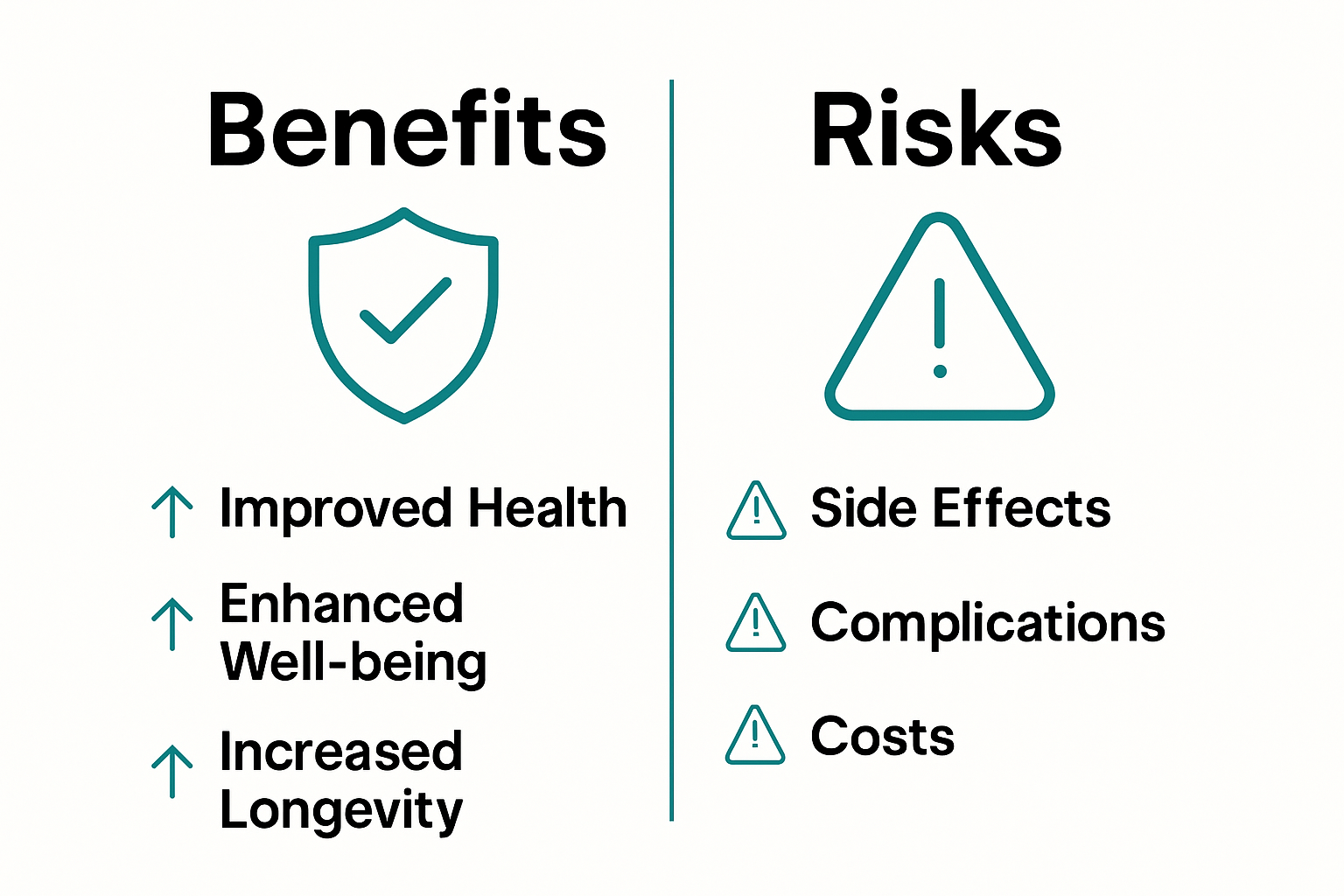
Key Benefits of Health Optimization Treatments:
Personalized medical interventions
Targeted physiological improvements
Enhanced metabolic functioning
Proactive disease prevention
Improved overall quality of life
Reduced long-term healthcare costs
Potential Risks to Consider:
Potential side effects from pharmaceutical interventions
Individual variability in treatment response
Complex interactions with existing medical conditions
Potential hormonal imbalances
Financial investment requirements
Clinical research from PMC Healthcare Studies underscores the importance of evidence-based approaches in understanding treatment risks. Misconceptions and oversimplifications can lead to unrealistic expectations, highlighting the need for comprehensive patient education and thorough medical evaluation before initiating any health optimization strategy.
For individuals interested in understanding the nuanced world of peptide therapies, peer-reviewed peptide therapy guides can provide crucial insights into the potential benefits and risks associated with these advanced medical interventions. Ultimately, successful health optimization requires a balanced approach that carefully weighs potential advantages against possible complications.
Cost, Accessibility, and Privacy Concerns
Health optimization treatments represent a complex intersection of medical innovation, financial considerations, and personal privacy, presenting both opportunities and challenges for individuals seeking advanced wellness strategies. The landscape of modern healthcare demands a sophisticated approach that balances technological capabilities with individual needs and economic constraints.
Research from the National Institutes of Medicine highlights critical dimensions of healthcare accessibility, revealing that cost remains a significant barrier for many individuals pursuing advanced health optimization treatments. The financial investment required can range from moderate to substantial, depending on the specific interventions, treatment complexity, and individual healthcare needs.
Key Cost and Accessibility Factors:
Varying insurance coverage for innovative treatments
Out-of-pocket expenses for specialized therapies
Potential long-term cost savings through preventative strategies
Sliding scale pricing models
Telemedicine options reducing traditional healthcare expenses
Privacy Considerations in Health Optimization:
Protection of sensitive medical data
Compliance with healthcare privacy regulations
Secure digital health platforms
Transparent data handling practices
Patient control over personal health information
The National Academy of Medicine emphasizes the critical importance of electronic health record optimization, underscoring the need for robust privacy protections in digital healthcare environments. Modern health optimization platforms must navigate complex regulatory landscapes while maintaining stringent data security standards.
For individuals exploring comprehensive health management solutions, understanding telemedicine weight loss strategies can provide insights into cost-effective, privacy-conscious approaches to wellness. The evolving healthcare technology landscape continues to create more accessible, affordable, and secure pathways for personalized health optimization.
Take Control of Your Health Optimization Journey Today
Understanding the complexities of health optimization can feel overwhelming especially when navigating personalized treatments, potential risks, and privacy concerns. If you are seeking effective solutions for weight management, peptide therapies, or longevity treatments that fit your unique health profile, addressing these challenges with trusted professional care is essential. Guppy Meds offers a convenient telemedicine platform where licensed providers evaluate your individual needs and prescribe FDA-approved medications delivered directly to your door.
Start improving your health with clear, personalized plans that respect your time and privacy. Explore comprehensive options like peer-reviewed peptide therapies or discover effective telemedicine weight loss strategies at your own pace. Don’t wait to optimize your wellness with expert care and discreet service from Guppy Meds. Take the first step by visiting the site and scheduling your virtual consultation now.
Frequently Asked Questions
What is health optimization?
Health optimization is a comprehensive approach to wellness that focuses on proactive strategies to enhance overall physical, mental, and social well-being, going beyond traditional medical treatments.
What are the common misconceptions about health optimization?
Common misconceptions include believing that health is solely about physical fitness, assuming medical interventions are only needed when symptoms are present, and underestimating the importance of mental and emotional wellness.
What types of treatments are available for health optimization?
Health optimization treatments include pharmacological interventions (like hormone therapies and weight management medications), lifestyle modifications (such as nutrition counseling and fitness coaching), and advanced medical technologies (like peptide therapies and precision diagnostic screening).
What are the potential benefits and risks of health optimization treatments?
Benefits include personalized interventions and proactive disease prevention, while potential risks can involve side effects, individual variability in treatment response, and financial costs associated with advanced therapies.
Recommended


Comments